
Kansas City vs St. Louis: Which Missouri Metro Wins for Relocating Buyers?
Driving into Kansas City on a summer morning, you smell the hickory smoke before you see the skyline. The barbecue capital reputation is real, and so is the energy, new construction sprouting in Overland Park, tech jobs pulling young professionals to Johnson County, home values climbing 30 to 40 percent in five years. Three hours east, St. Louis offers a different trade: the Gateway Arch glinting over the Mississippi, toasted ravioli on The Hill, Cardinals fans packing Busch Stadium, and median home prices that start $50,000 lower than Kansas City's. Both metros sit around 2 million people, both sprawl across state lines, both claim Midwest hospitality. But the similarities end when you look at appreciation rates, job sectors, new versus historic housing stock, and which city actually fits your budget and career path.
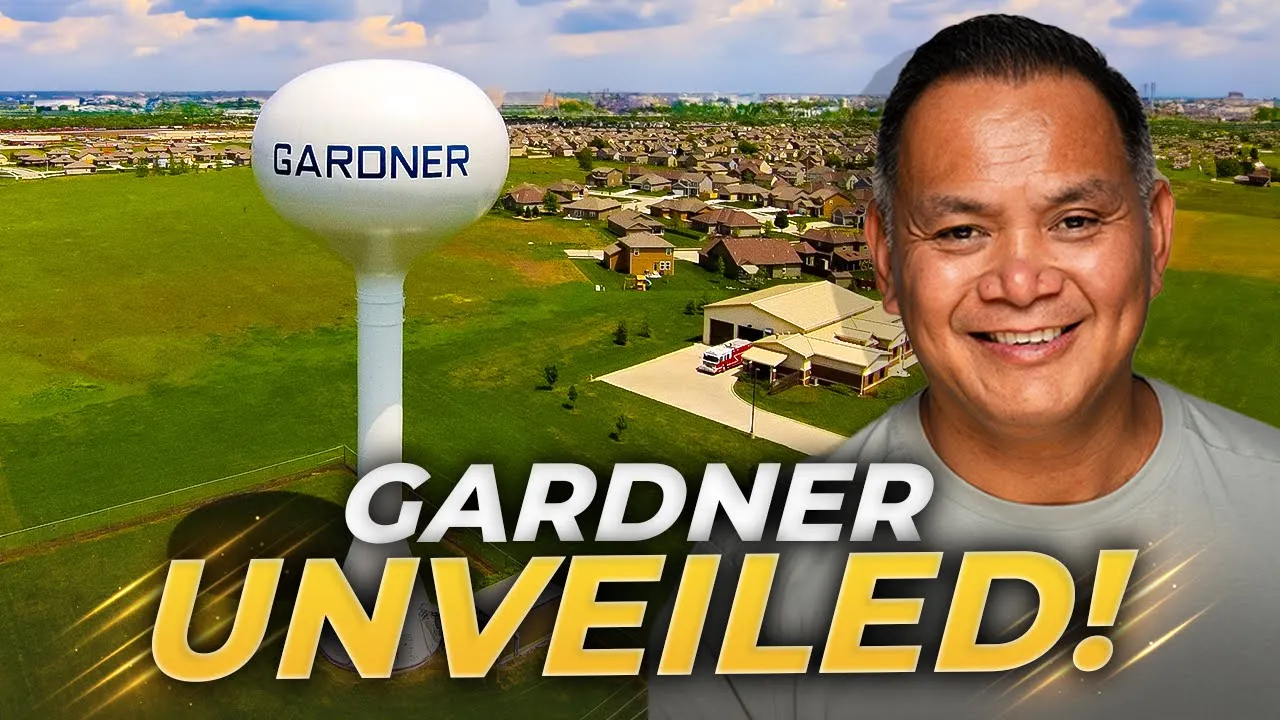
I'm Jimmy Ezzell. My wife Niki and I help people relocate to Kansas City every week, and we get the same question constantly: how does Kansas City stack up against St. Louis? This comparison breaks down the numbers, crime, schools, cost of living, suburbs, job markets, so you can decide which metro makes sense for your move. If you are researching both cities or just want to understand what Kansas City offers compared to the other big Missouri metro, this guide walks through the facts we share with buyers on Zoom calls and site tours. No generic advice, just the trade-offs that matter when you are signing a lease or making an offer.
Table of Contents
Kansas City Metro Area

Kansas City covers 8,472 square miles with 2.2 million residents, about 260 people per square mile. The metro splits between Missouri and Kansas, which means you can live on the Kansas side in Johnson County suburbs or the Missouri side in places like Lee's Summit and still work downtown. That split also means two state tax systems, different school districts, and a choice between newer developments on the Kansas side or more established neighborhoods on the Missouri side. The median home price sits between $275,000 and $300,000, and home values have climbed 30 to 40 percent over the past five years. That appreciation rate outpaces St. Louis and reflects the job growth pulling people here.
Major employers include Cerner, Garmin, and Hallmark. The job market leans tech, healthcare, finance, and logistics, and salaries tend to run higher than St. Louis. Young professionals move here for those opportunities, especially on the Johnson County side where companies cluster. New construction is everywhere, Overland Park, Olathe, Lee's Summit all have subdivisions still building out. If you want a brand-new house with an open floor plan and a two-car garage, Kansas City suburbs deliver that inventory.
The food scene is barbecue-first. Joe's KC, Q39, Jack Stack, Arthur Bryant's, Gates, you will eat well, and you will have opinions about which spot does burnt ends best. Beyond barbecue, the metro has a strong jazz culture and a growing arts scene, plus the Chiefs for football, the Royals for baseball, and Sporting KC for Major League Soccer. The riverfront area near the soccer stadium is seeing heavy development right now, new restaurants and mixed-use projects going up fast.
Schools vary widely by district, but the metro has top-rated options on both the Kansas and Missouri sides. Per-student spending is $14,246, the student-to-teacher ratio is 14.19, and the high school graduation rate is 91 percent. Crime rate is 65 per 1,000 residents overall, with violent crime at 14.76 per 1,000. That is comparable to St. Louis, though both cities have neighborhoods you need to research carefully. Outdoor spaces include Shawnee Mission Park, Smithville Lake, and smaller lakes like Jacomo and Lotawana where people boat and fish. The zoo is solid, and you are close enough to Lake of the Ozarks for weekend trips.
Utilities run slightly higher in Kansas City than St. Louis. Groceries, healthcare, and transportation costs are nearly identical between the two metros. Missouri income tax applies if you live on the Missouri side; Kansas income tax if you live on the Kansas side. Property taxes vary by county, with some Johnson County suburbs carrying higher rates. The trade-off for those higher home prices and utilities is faster appreciation and a job market that keeps expanding. Demographics are 70 percent Caucasian, 12 percent African American, 10 percent Hispanic, 3 percent Asian, similar to St. Louis with slight differences in each category.
St. Louis Metro Area
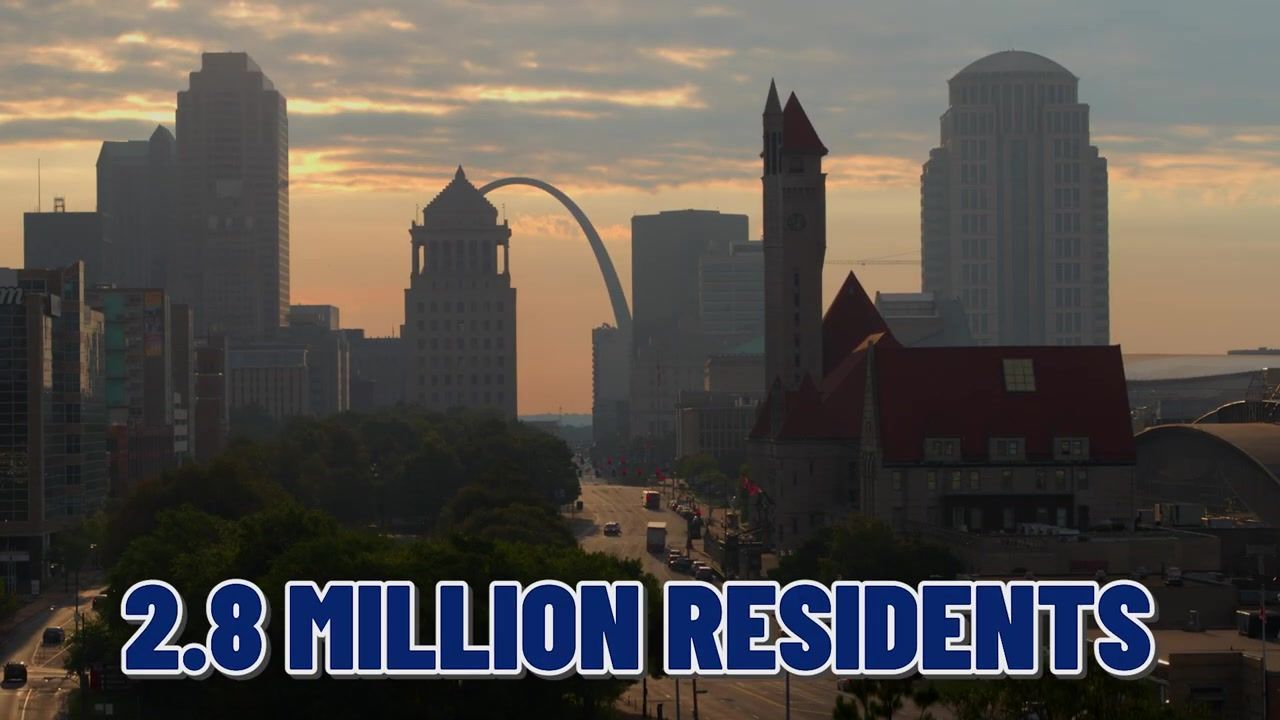
St. Louis covers 8,458 square miles with 2.8 million residents, about 340 people per square mile. The metro is slightly larger and denser than Kansas City, and it also splits across state lines, Missouri on the west side of the Mississippi, Illinois on the east. The median home price runs $225,000 to $250,000, making St. Louis more affordable upfront than Kansas City. Home values have increased 25 to 35 percent over the past five years, which is solid appreciation but slower than Kansas City's pace. That lower entry price is the biggest draw for first-time buyers who need to stretch a budget.
Major employers include Boeing, Anheuser-Busch, and Express Scripts. The job market leans biotech, healthcare, and manufacturing, more traditional industries, slower tech growth than Kansas City. Salaries tend to be lower than Kansas City, but the cost of living offsets some of that gap. The housing stock skews older and more historic. Neighborhoods like Kirkwood, Chesterfield, and St. Charles have character-rich homes with established trees and brick facades. If you want a house with history and charm, St. Louis delivers more of that inventory than Kansas City's newer subdivisions.
The food scene is Italian and comfort-heavy: toasted ravioli, St. Louis-style pizza with Provel cheese, gooey butter cake. The Cardinals are the cultural anchor, baseball is huge here, and Busch Stadium fills up all season. The Blues bring NHL hockey, and the Gateway Arch is the iconic landmark everyone visits. Grant's Farm and the Clydesdales are a family tradition, and the zoo is excellent. Public parks and green spaces are plentiful, and you are closer to Lake of the Ozarks than Kansas City is, which matters if you want a lake house or weekend getaway.
Schools invest more per student, $15,291 compared to Kansas City's $14,246, and the student-to-teacher ratio is lower at 12.2. The high school graduation rate is 89.2 percent, slightly below Kansas City's 91 percent. Crime rate is 70 per 1,000 residents overall, with violent crime at 15 per 1,000. St. Louis has one of the highest crime rates among major cities, largely because East St. Louis on the Illinois side has serious issues. That area is well-known and something buyers ask about constantly. Property taxes in St. Louis are higher than Kansas City in many suburbs, which offsets the lower home prices somewhat. Missouri income tax applies on the Missouri side, Illinois income tax on the Illinois side.
Demographics are 71 percent Caucasian, 17 percent African American, 3 percent Hispanic, 3 percent Asian. The Midwest hospitality vibe is strong, just like Kansas City. The trade-off here is affordability and historic charm versus slower appreciation and fewer new construction options. If you want to buy a home for less money and you are okay with an older property, St. Louis makes that easier than Kansas City does.
Overland Park
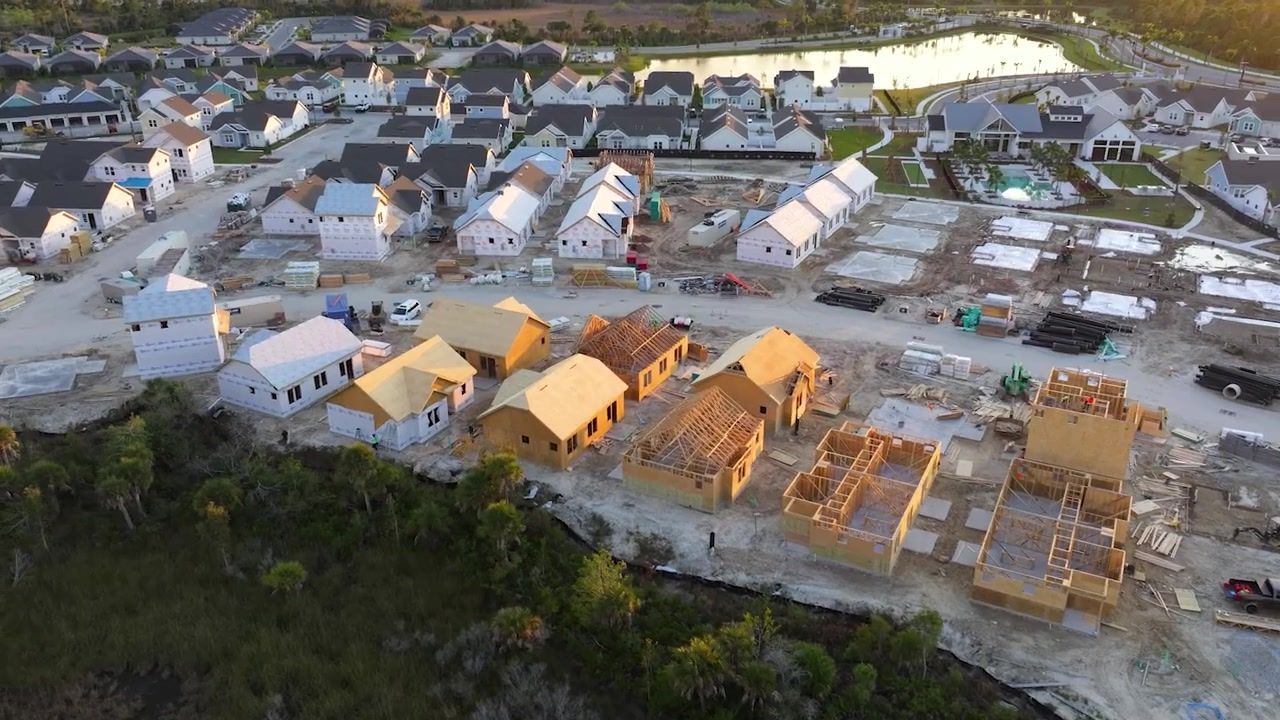
Overland Park sits on the Kansas side of the Kansas City metro in Johnson County. It is rated number 7 on niche.com's best places to live in the entire country, one of the happiest places to live, and one of the best places for young professionals. That reputation is earned, Overland Park has strong schools, low crime, a clean downtown area, and a lot of corporate jobs within a short commute. The median home price is $475,000, up 19 percent year over year. Median price per square foot is $194, and homes are sitting on the market for about 35 days right now.
New construction is everywhere. Subdivisions are still building out on the western edge of the city, and you can find modern floor plans with three-car garages and finished basements. The housing stock is newer than St. Louis suburbs, and the appreciation rate reflects the demand. Young professionals move here for the job opportunities, tech companies, healthcare systems, finance firms all have offices in or near Overland Park. Johnson County overall attracts that demographic, and Overland Park is the anchor city.
The trade-off is price. At $475,000 median, you are paying a premium for the location, the schools, and the job access. If you are relocating for work and your employer is on the Kansas side, Overland Park makes sense. If you are stretching a budget or looking for a lower entry point, you will find better deals in Lee's Summit or Olathe. But if you want a top-rated suburb with new construction and a strong resale market, Overland Park delivers.
Lee's Summit
Lee's Summit is one of the top cities on the Missouri side of the Kansas City metro. The median home price is $368,650, up 1 percent year over year. Homes are sitting on the market for about 43 days right now. Lee's Summit offers new construction like Overland Park but at a lower price point, which makes it attractive to buyers who want a newer home without paying Johnson County premiums. The city is also ranked in niche.com's top 30 best places to live nationally, so it has the same reputation for schools, safety, and quality of life.
Lee's Summit sits southeast of downtown Kansas City, and the commute is manageable if you work downtown or in the southern suburbs. The housing stock is a mix of new subdivisions and established neighborhoods, so you have options depending on what you want. The schools are strong, and the city has a small-town feel even though it is part of the metro. Parks, trails, and family amenities are plentiful, and the community vibe is more laid-back than Overland Park's corporate energy.
The trade-off is the Missouri side versus Kansas side decision. If your job is on the Kansas side, the commute from Lee's Summit can add time. If you work downtown or on the Missouri side, Lee's Summit is convenient and affordable. The appreciation rate is slower than Overland Park, 1 percent year over year versus 19 percent, but the lower entry price offsets that for many buyers. If you want new construction without paying $475,000, Lee's Summit is the move.
Olathe
Olathe is another Kansas side suburb in Johnson County, west of Overland Park. The median home price is $588,600, and homes are sitting on the market for about 77 days right now. That higher price and longer market time reflect the fact that Olathe is farther from downtown and the job centers, but it also offers more land and newer construction. Olathe is ranked in niche.com's top 30 best places to live nationally, and the schools are a common buyer question. Confirm current information with the district.
Olathe is building out fast. New subdivisions are going up on the western edge, and you can find larger lots and bigger homes than you would in Overland Park at the same price. The trade-off is the commute, if you work downtown Kansas City, you are looking at 30 to 40 minutes depending on traffic. If you work in Johnson County or on the Kansas side, Olathe is convenient. The city has a suburban feel with good parks, trails, and family amenities, and the housing stock is almost entirely new construction.
The higher median price and longer market time mean Olathe is not moving as fast as Overland Park or Lee's Summit right now. That could be a negotiating opportunity if you are buying, or it could mean you wait longer to sell if you are relocating again in a few years. But if you want a newer, larger home on the Kansas side and you are okay with the commute, Olathe delivers that inventory.
Chesterfield
Chesterfield is a St. Louis suburb on the Missouri side, west of the city. The median home price is $472,500, up 8.8 percent year over year. Median price per square foot is $179. Chesterfield offers historic homes and older properties with character, which is the opposite of Kansas City's new construction suburbs. The housing stock is established, the trees are mature, and the neighborhoods have a settled feel. If you want a brick home with a big yard and architectural details, Chesterfield has that inventory.
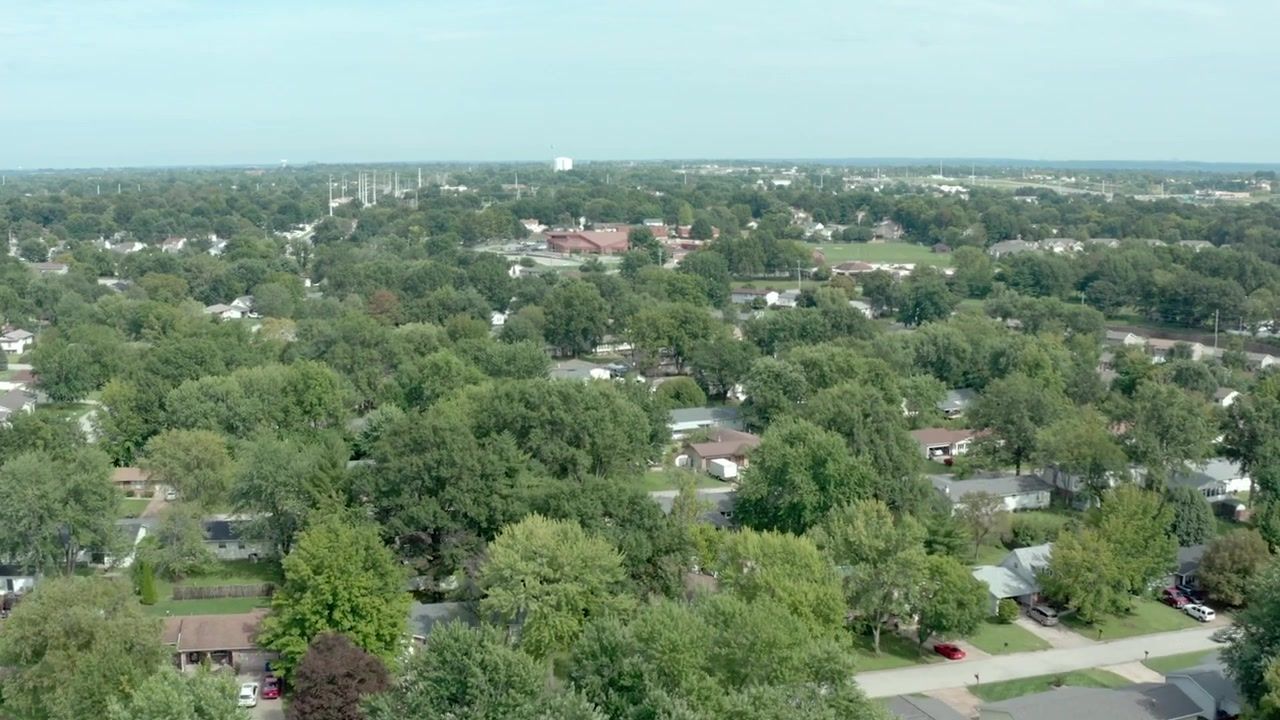
Chesterfield is one of the more expensive St. Louis suburbs, but it is still cheaper than Overland Park. The appreciation rate is strong, 8.8 percent year over year is solid, though slower than Overland Park's 19 percent. The schools are good, the crime is low, and the location is convenient to downtown St. Louis and the surrounding suburbs. The trade-off is the older housing stock. You are not getting a brand-new house with an open floor plan; you are getting a 30- or 40-year-old home with updates and character.
If you want historic charm and you are okay with an older property, Chesterfield is a strong option. If you want new construction, you will find more of that in Kansas City suburbs. The appreciation rate is slower than Kansas City overall, but the lower entry price makes St. Louis suburbs like Chesterfield more accessible for first-time buyers.
St. Charles
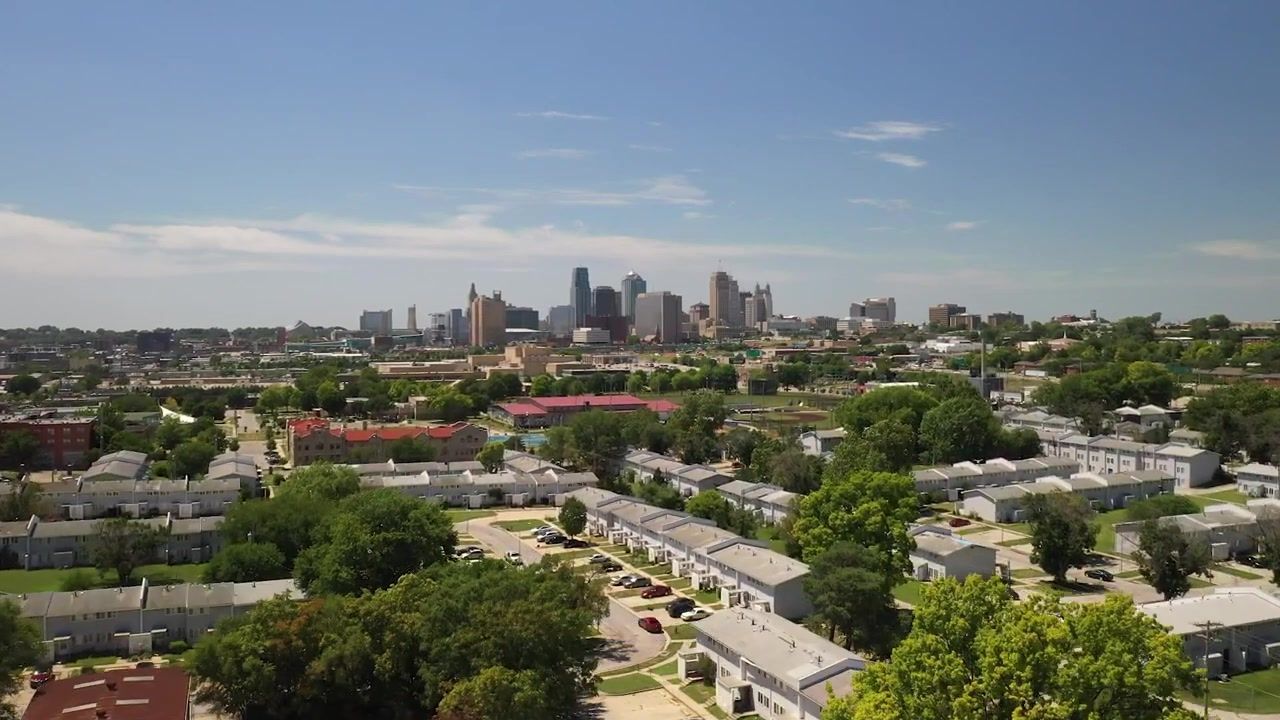
St. Charles is another St. Louis suburb on the Missouri side, northwest of the city. The median home price is $336,225, up 6.7 percent year over year. St. Charles is more affordable than Chesterfield and offers the same historic charm and older housing stock. The city has a small-town feel with a historic downtown area, brick streets, and local shops. If you want a walkable downtown and a community vibe, St. Charles delivers that.
The housing stock is older, and you will find character-rich homes with established yards. The schools are solid, and the location is convenient to St. Louis and the surrounding suburbs. The appreciation rate is slower than Kansas City, 6.7 percent year over year versus Kansas City's 30 to 40 percent over five years, but the lower entry price makes St. Charles accessible for buyers who are stretching a budget.
The trade-off is the same as Chesterfield: older homes, slower appreciation, but more affordability upfront. If you want a historic home and you are okay with the slower resale market, St. Charles is a good fit. If you want new construction and faster appreciation, Kansas City suburbs are the better bet.
Ballwin

Ballwin is a St. Louis suburb on the Missouri side, west of the city. The median home price is $387,841, up 4.7 percent year over year. Ballwin is known for homes that move quickly, which suggests strong demand and a tight inventory. The housing stock is older and established, similar to Chesterfield and St. Charles, and the city has a suburban feel with local schools and low crime.
Ballwin sits between Chesterfield and St. Charles in terms of price and location. The appreciation rate is slower than Kansas City, 4.7 percent year over year, but the lower entry price and the fact that homes move quickly make Ballwin attractive to buyers who want a St. Louis suburb with strong demand. The trade-off is the same as the other St. Louis suburbs: older homes, slower appreciation, but more affordability upfront.
If you want a St. Louis suburb with a strong resale market and you are okay with an older property, Ballwin is a solid option. If you want new construction and faster appreciation, Kansas City suburbs like Overland Park, Lee's Summit, and Olathe are the better choice.
Which Metro Fits Your Priorities?
Kansas City wins on appreciation, job growth, and new construction. If you want a brand-new house, a tech or healthcare job, and a metro that is growing fast, Kansas City is the move. Home values have climbed 30 to 40 percent over five years, and suburbs like Overland Park, Lee's Summit, and Olathe are still building out. Salaries are higher, the job market is expanding, and the barbecue is unbeatable. The trade-off is higher home prices and slightly higher utilities. You are paying more upfront, but you are also buying into a market that is appreciating faster.
St. Louis wins on affordability, historic charm, and entry price. If you want a character-rich home, a lower entry point, and a metro with established neighborhoods, St. Louis is the move. Median home prices are $50,000 lower than Kansas City, and suburbs like Chesterfield, St. Charles, and Ballwin offer older homes with architectural details you will not find in new construction. The trade-off is slower appreciation and fewer new construction options. You are paying less upfront, but the resale market is not climbing as fast as Kansas City.
Choose Kansas City if:
- You want new construction and modern floor plans.
- Your job is in tech, healthcare, finance, or logistics.
- You want faster home appreciation and a growing job market.
- You are okay paying higher home prices for a stronger resale market.
- You want barbecue, Chiefs football, and a thriving food scene.
Choose St. Louis if:
- You want a lower entry price and more affordability upfront.
- You prefer historic homes with character and established neighborhoods.
- Your job is in biotech, healthcare, or manufacturing.
- You are okay with slower appreciation for a lower purchase price.
- You want Cardinals baseball, the Gateway Arch, and Italian food.
Both metros have strong schools, low crime in the suburbs, and Midwest hospitality. Both are close to Lake of the Ozarks for weekend trips. Both have good parks, trails, and family amenities. The decision comes down to whether you prioritize appreciation and new construction or affordability and historic charm. If you are relocating for work, look at where your job is and which metro makes the commute easier. If you are buying as an investment, Kansas City's appreciation rate is stronger. If you are stretching a budget, St. Louis's lower entry price makes homeownership more accessible.
Conclusion
Kansas City and St. Louis both offer strong metros for relocating buyers, but they serve different priorities. Kansas City delivers faster appreciation, new construction, and a growing job market in tech and healthcare. St. Louis delivers lower entry prices, historic charm, and more affordable homeownership. Overland Park, Lee's Summit, and Olathe on the Kansas City side give you new subdivisions and local schools. Chesterfield, St. Charles, and Ballwin on the St. Louis side give you character-rich homes and established neighborhoods. The right choice depends on your budget, your job, and whether you want a newer home that appreciates fast or an older home that costs less upfront.
If you are thinking about moving to Kansas City, my wife Niki and I help buyers relocate here every week. We know the suburbs, the school districts, the commute times, and the neighborhoods that fit your budget. If you are looking at St. Louis, we have realtor friends there who can help you find the right area. Whether you are moving in seven days or seven months, reach out to us. Give me a call, shoot me a text, we would love to help you make a smooth move to whichever metro fits your life.
FAQ
Which metro has lower home prices, Kansas City or St. Louis?
St. Louis has lower median home prices, ranging from $225,000 to $250,000 compared to Kansas City's $275,000 to $300,000. That makes St. Louis more affordable upfront, especially for first-time buyers. Kansas City's higher prices reflect faster appreciation and stronger job growth, but St. Louis offers a lower entry point if you are stretching a budget.
Which metro has better job growth?
Kansas City has stronger job growth, especially in tech, healthcare, finance, and logistics. Major employers include Cerner, Garmin, and Hallmark, and salaries tend to be higher than St. Louis. St. Louis has job growth in biotech, healthcare, and manufacturing, with major employers like Boeing, Anheuser-Busch, and Express Scripts. Kansas City attracts more young professionals, while St. Louis leans toward traditional industries.
Are crime rates higher in Kansas City or St. Louis?
St. Louis has a slightly higher crime rate at 70 per 1,000 residents compared to Kansas City's 65 per 1,000. Violent crime is also slightly higher in St. Louis at 15 per 1,000 versus Kansas City's 14.76 per 1,000. St. Louis has one of the highest crime rates among major cities, largely due to East St. Louis on the Illinois side. Both metros have safe suburbs with low crime, so research specific neighborhoods carefully.
Which metro has more new construction?
Kansas City has more new construction, especially in suburbs like Overland Park, Lee's Summit, and Olathe. Subdivisions are still building out, and you can find modern floor plans with open layouts and two- or three-car garages. St. Louis has more historic homes and older properties in suburbs like Chesterfield, St. Charles, and Ballwin. If you want a brand-new house, Kansas City has more inventory.
Which metro is better for families?
Both metros have strong schools, parks, and family amenities. Kansas City suburbs like Overland Park and Lee's Summit are ranked in the top 30 nationally for quality of life and have excellent school districts. St. Louis suburbs like Chesterfield and St. Charles also have local schools and established neighborhoods. Kansas City invests less per student but has a higher graduation rate. St. Louis invests more per student and has a lower student-to-teacher ratio. Visit the school districts directly to verify current information.
How do property taxes compare?
St. Louis has higher property tax rates in many suburbs, which offsets the lower home prices. Kansas City has lower property tax rates in some areas, but Johnson County suburbs on the Kansas side can have higher rates. Missouri income tax applies to both metros if you live on the Missouri side. Kansas income tax applies if you live on the Kansas side of Kansas City. Compare total housing costs, mortgage, taxes, insurance, utilities, when deciding which metro fits your budget.

Jimmy and Niki Ezzell are Kansas City real estate experts who help people relocate. They provide insights on neighborhoods, real estate tips, and market updates to make moving to Kansas City seamless.

Newsletter
Subscribe to our newsletter to stay updated on the latest trends in Kansas real estate market