Why Are People Moving to Kansas City? Is It REALLY Worth It?
When I tell people Kansas City made the National Association of Realtors' top 10 housing markets for 2025, they look surprised. We're talking about a list that includes Boston, Phoenix, and Charlotte. But once you spend a day here, driving from Overland Park to the Crossroads, grabbing burnt ends at Joe's, and realizing your mortgage is half what it would be in Denver, the surprise wears off fast.
I've been helping buyers relocate to Kansas City for years, and 2025 feels different. Net migration doubled between 2022 and 2023. Panasonic is building a $4 billion plant in De Soto that will employ 4,500 people. The Kansas City Current just opened the first women's professional soccer stadium in the country. This isn't a sleepy Midwest market coasting on barbecue anymore. It's a city where young professionals can actually afford a house, where new construction subdivisions are going up in Olathe and Lee's Summit , and where you can still get downtown from most suburbs in under 30 minutes.
Here's the thing: Kansas City isn't trying to be Austin or Nashville. We're not chasing that brand. We're building something quieter and more sustainable, a place where your cost of living sits 6% below the national average, where unemployment hovers around 3.12%, and where you can still find a new construction home under $600,000 in a top-rated school district. If you're relocating from a coastal market or just tired of watching your paycheck disappear into rent, this is the city to watch.
Table of Contents
- Housing Market and Affordability: Why Buyers Can Still Get In
- Income Growth and Net Migration: The Numbers Behind the Move
- New Construction: Inventory Gaps and Where Builders Are Active
- Job Market: From Panasonic to Google Fiber
- Overland Park: Ranked #7 Best Place to Live in the US
- Olathe: Top Schools and the Panasonic Effect
- Lee's Summit: Missouri's Largest Suburb with a Thriving Downtown
- Shawnee, Lenexa, and Leawood: Quick Commutes and Kansas Side Living
- Blue Springs, Parkville, Liberty: Missouri Side Trade-Offs
- De Soto: Ground Zero for the $4 Billion Panasonic Plant
- Cost of Living: Groceries, Healthcare, and Transportation
- Culinary Scene: 90+ Barbecue Restaurants and Beyond
- Commute Times: How Far Is Too Far?
- What's Coming: $4 Billion in Development and a Potential Royals Stadium
- Which Kansas City Suburb Is Right for You?
- Conclusion
Housing Market and Affordability: Why Buyers Can Still Get In
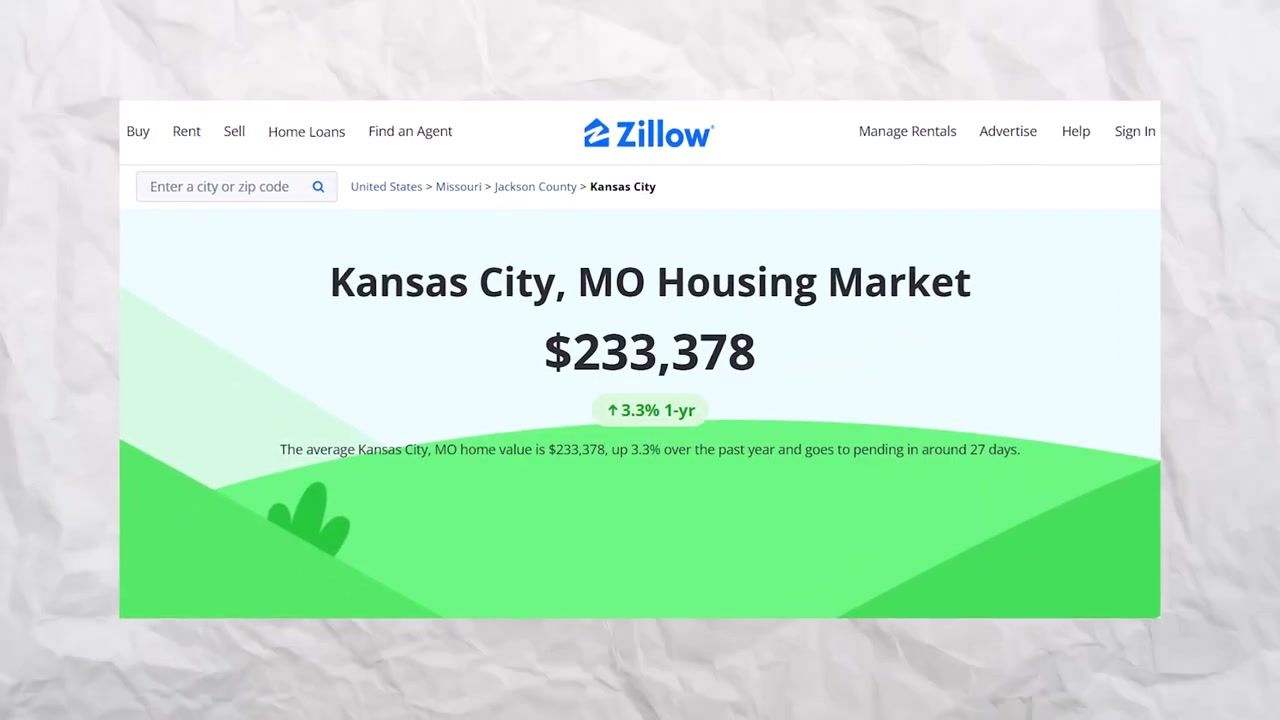
Kansas City's average home value sits around $230,000 to $250,000 depending on which report you pull, and it's been climbing 3 to 4% over the past year. The median sale price for existing homes last year was $247,500. Compare that to the coasts, where $250,000 might get you a condo with a view of a parking lot, and you start to see why people are paying attention.
Historically, median home prices in this region have stayed below three times the median income. That's the affordability sweet spot. In recent years, especially in suburbs like Overland Park , Olathe , and Lee's Summit , we've seen that ratio climb to four or five times income because of growth and demand. But we're still an affordable market. You can still get into a house here without liquidating your retirement account or moving two hours from your job.
The financing environment helps too. While I can't give you exact data on how many Kansas City homeowners locked in ultra-low rates during the pandemic, I can tell you this: our relatively affordable housing stock means new buyers have more room to negotiate favorable terms compared to markets where every listing gets 15 offers sight unseen. Inventory is still tight, we're averaging about 6,700 new housing units a year when we really need 12,000, but if you're prepared and you move fast, we've been able to help our clients land the homes they want.
Favorable Financing and What It Means for Relocating Buyers
If you're relocating to Kansas City, get your financing squared away before you even look at a house. I work with a couple of lenders who specialize in helping out-of-state buyers get pre-approved, and they'll walk you through the process so that when you're ready to tour homes, you're not scrambling for documents. In a market where inventory is short, being prepared is the difference between getting the house and watching someone else get it.
Income Growth and Net Migration: The Numbers Behind the Move
Kansas City has become a magnet for young professionals, and the income growth numbers back that up. Household income here continues to rise, and we're adding jobs in sectors that pay well, healthcare, logistics, financial services, and tech. Between 2022 and 2023, our net migration rate doubled from 1.5 to 3.1 people per 1,000 population. That's not a typo. We're seeing a net gain of people moving here, and it's not just retirees looking for a quiet place to settle. It's people in their 20s and 30s who want to buy a house, start a career, and not spend 50% of their income on rent.
The job market is a big part of that story. We added 10,500 jobs in 2021, 12,700 in 2022, and 13,600 in 2023. The forecast for 2024 and 2025 shows another 11,000-plus jobs coming online, especially in tech, bioscience, and manufacturing. Unemployment sits at 3.12%, compared to the national average of 3.6%. If you're relocating and you're worried about finding work, Kansas City is not the place to worry.
New Construction: Inventory Gaps and Where Builders Are Active
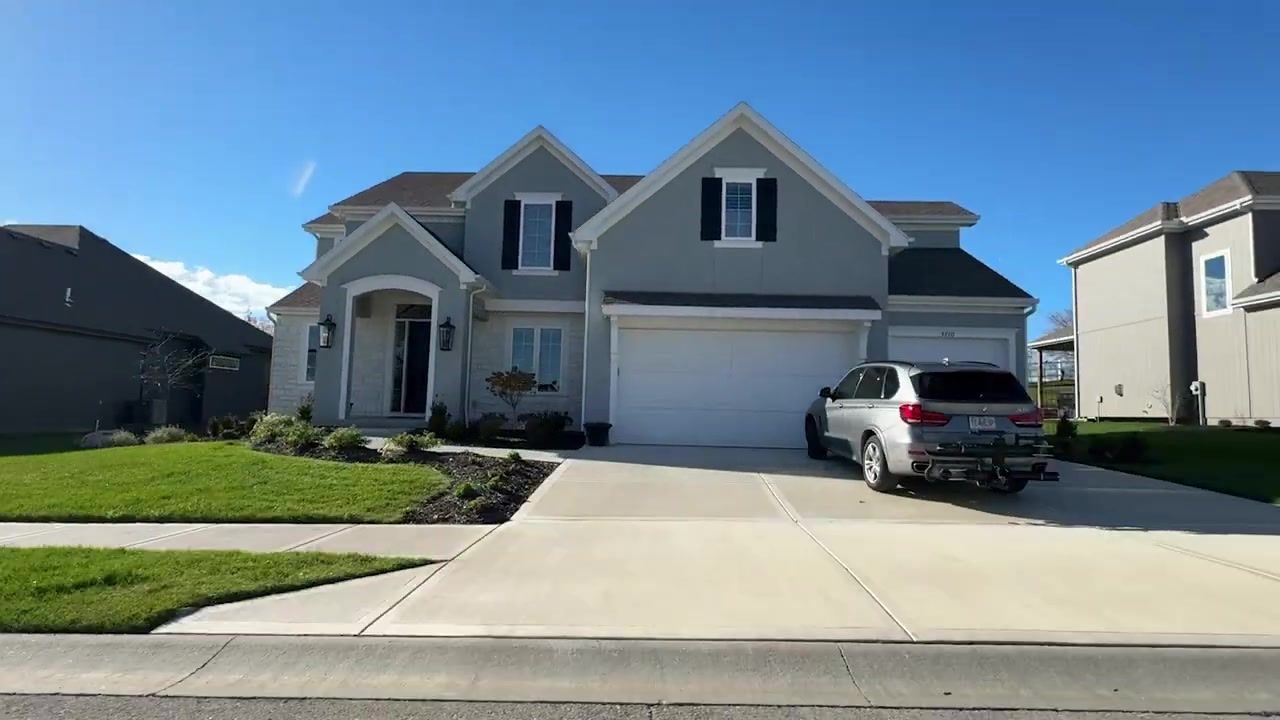
We've been averaging about 6,700 new housing units a year since 2008, but we really need 12,000 to keep up with demand. That gap is real, and it's one reason inventory stays tight. But new construction is still happening, especially in the suburbs.
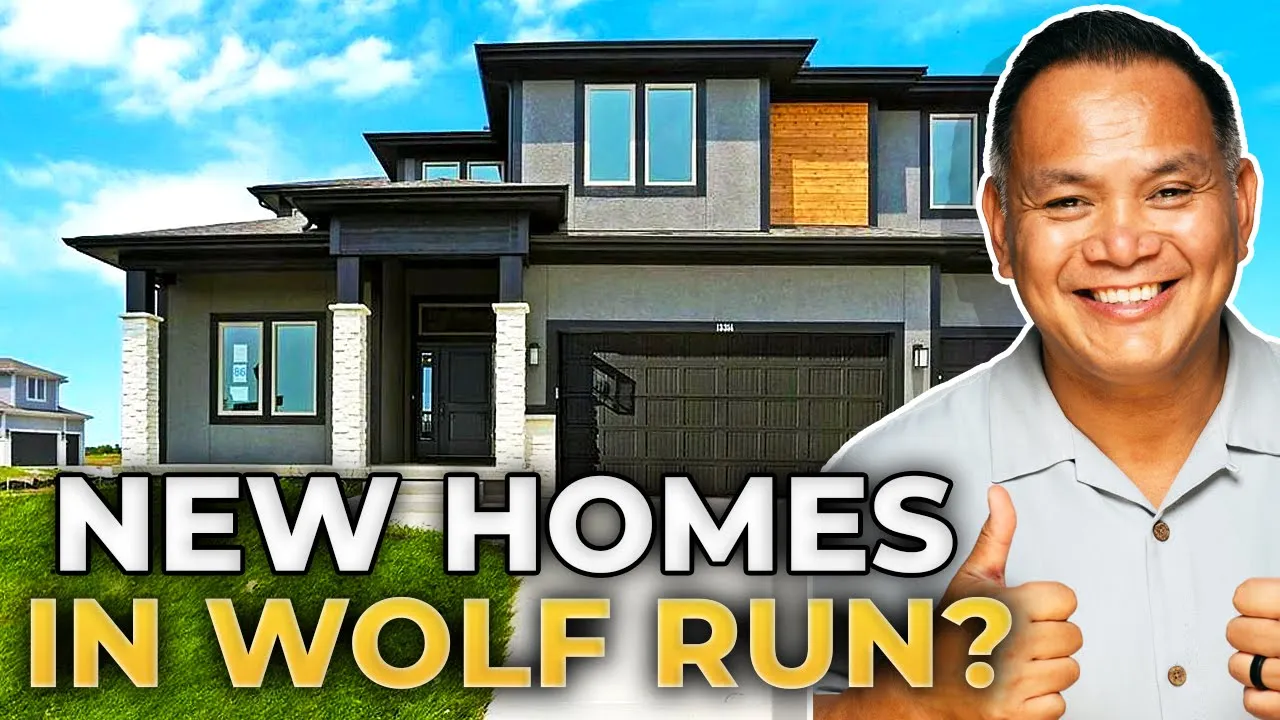
In Overland Park , the median listing price for new construction is around $625,000. We've got subdivisions like Sundance Ridge , Covington Creek , and Wolf Run where builders are active. If you go to our YouTube channel, you'll find walkthroughs of these communities. In Lee's Summit , new construction is booming too, with a median home price around $589,000. These aren't cookie-cutter tract homes. Builders are offering floor plans with space, good finishes, and lot sizes that give you room to breathe.
I've built three homes myself, and I used to work in new construction, so I know the process. Right now, I'm helping a couple relocating from Denver build a custom home on acreage. We've done Zoom calls, toured builders, and walked land. If new construction is something you're interested in, reach out. We can help you find the right builder, negotiate the contract, and make sure you're not surprised by change orders six months in.
Job Market: From Panasonic to Google Fiber
The job market here is thriving, and it's not just one sector. Healthcare and biotech are huge. Logistics and warehousing continue to grow because of our central location. Manufacturing is expanding, especially with Panasonic's $4 billion plant in De Soto bringing 4,000 to 4,500 jobs by 2025. Financial services and fintech are strong too, H&R Block and Commerce Bank have both added positions in the last few years.
Tech is the surprise for a lot of people. Google Fiber's expansion here has added over 1,800 jobs since 2023. We're not Silicon Valley, but we're building a tech ecosystem that pays well and doesn't require you to live in a shoebox apartment to afford it.
If you're relocating for work, Kansas City has the jobs. And if you're thinking about starting a business, the cost of living and the talent pool make this a smart place to do it.
Overland Park: Ranked #7 Best Place to Live in the US
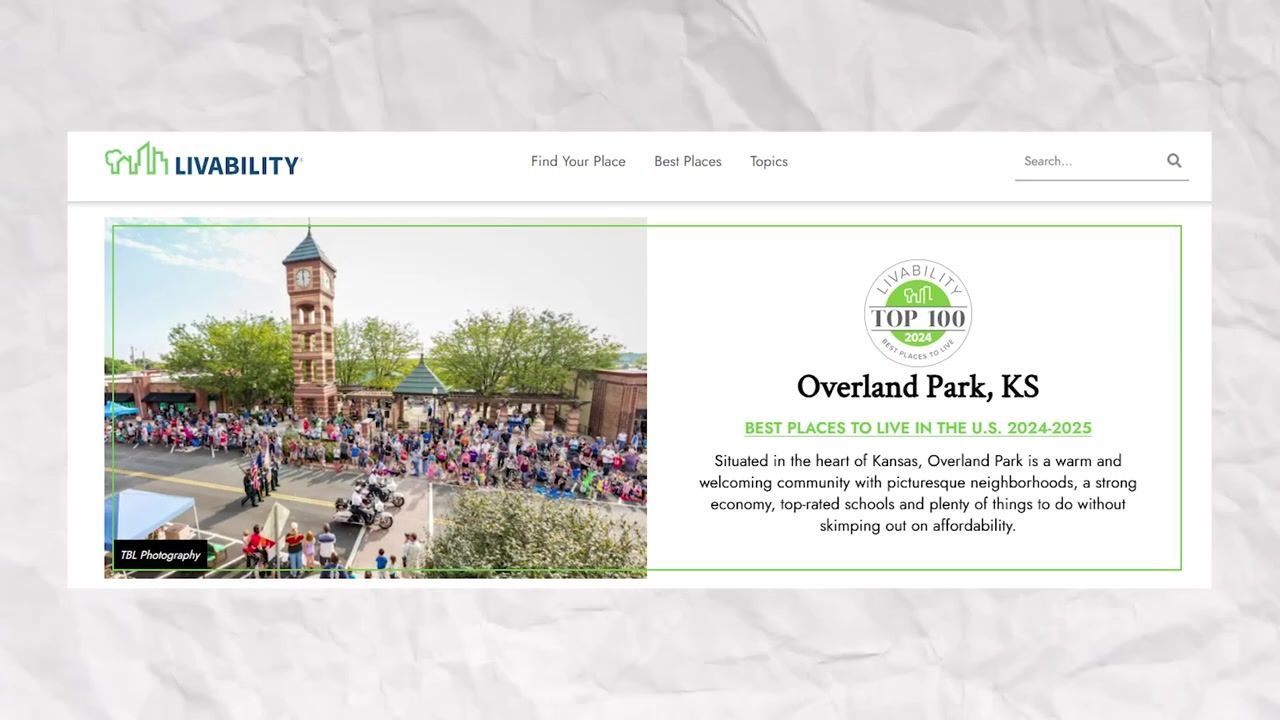
Overland Park ranked #7 on Livability.com's list of the top 100 best places to live in the US, and it also took the #1 spot for best cities for families. That's not a fluke. This is a suburb with local schools, parks everywhere, affordable neighborhoods, and strong support networks. If you're relocating with kids, Overland Park is going to be on your shortlist.
The median listing price for new construction here is around $625,000, which is higher than the metro average, but you're paying for quality. The schools are some of the best in the state. The neighborhoods are safe. There are community events year-round. And the commute to downtown is short, you can get there in 20 to 30 minutes depending on where you live and what time you leave.
New construction subdivisions like Sundance Ridge , Covington Creek , and Wolf Run are active, and we're seeing a lot of buyers from out of state who want a move-in-ready home in a top school district. If that's you, let's talk. We spend a lot of time in Overland Park helping people find the right fit.
Schools and Community
I'm not going to tell you the schools are a common buyer question. Confirm current information with the district or award-winning, because that's not my call to make. What I will tell you is that Overland Park consistently ranks high for education, and families move here specifically for the school districts. Verify current information with the district, but know that this is a place where education is a priority.
Olathe: Top Schools and the Panasonic Effect
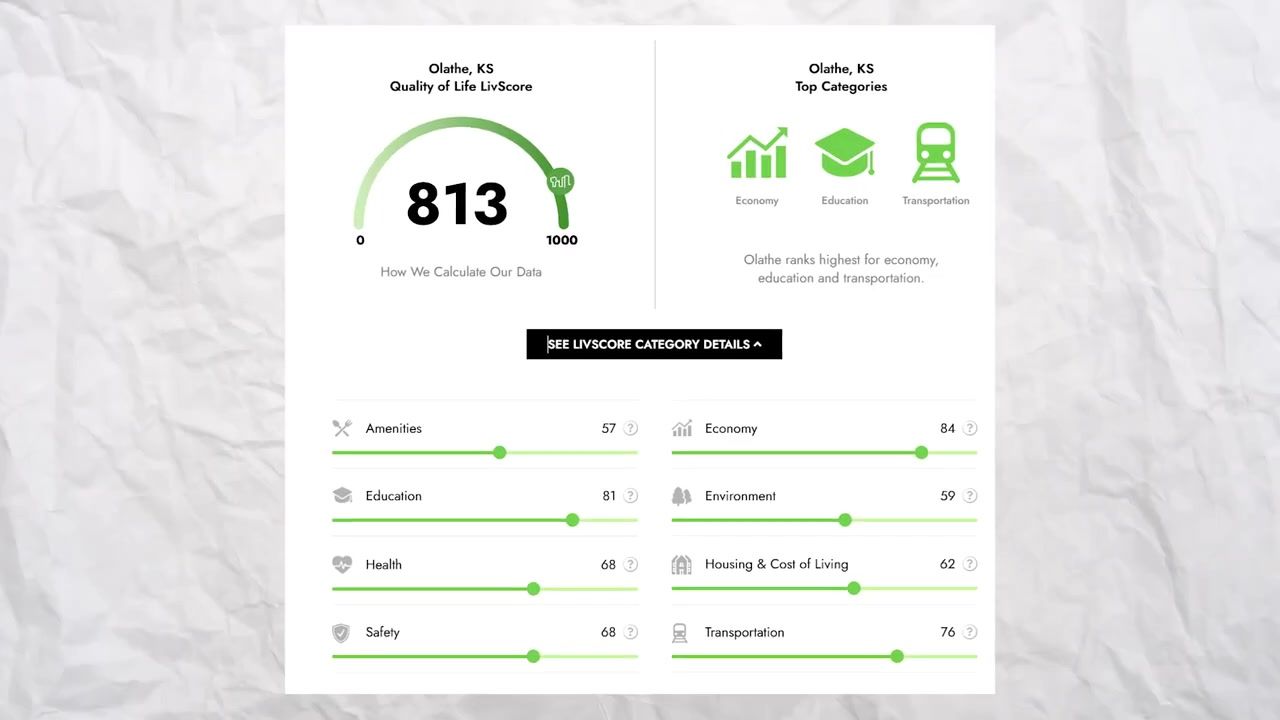
Olathe came in at #13 on the same Livability.com list, and for good reason. local schools, top hospitals nearby, and a highly educated workforce. But the big story in Olathe right now is Panasonic. That $4 billion plant in De Soto is already affecting home prices in Olathe and the surrounding area. We're seeing appreciation adjust as buyers realize that 4,000 to 4,500 new jobs are coming, and a lot of those workers are going to want to live close.
Home prices in Olathe have been increasing at four to five times the median income because of this growth. That's higher than the historical norm, but it's still affordable compared to most markets. And there's a lot of new construction happening here. If you're relocating for the Panasonic plant or just want to be in a growing suburb with strong schools, Olathe is worth a close look.
Panasonic and What It Means for Buyers
The Panasonic plant is a $4 billion investment, and it's going to employ 4,000 to 4,500 people by 2025. That's a huge economic driver. If you're thinking about buying in Olathe or De Soto , now is the time. Prices are adjusting, but we're still in the early stages of this growth. Five years from now, you'll wish you'd bought in 2025.
Lee's Summit: Missouri's Largest Suburb with a Thriving Downtown
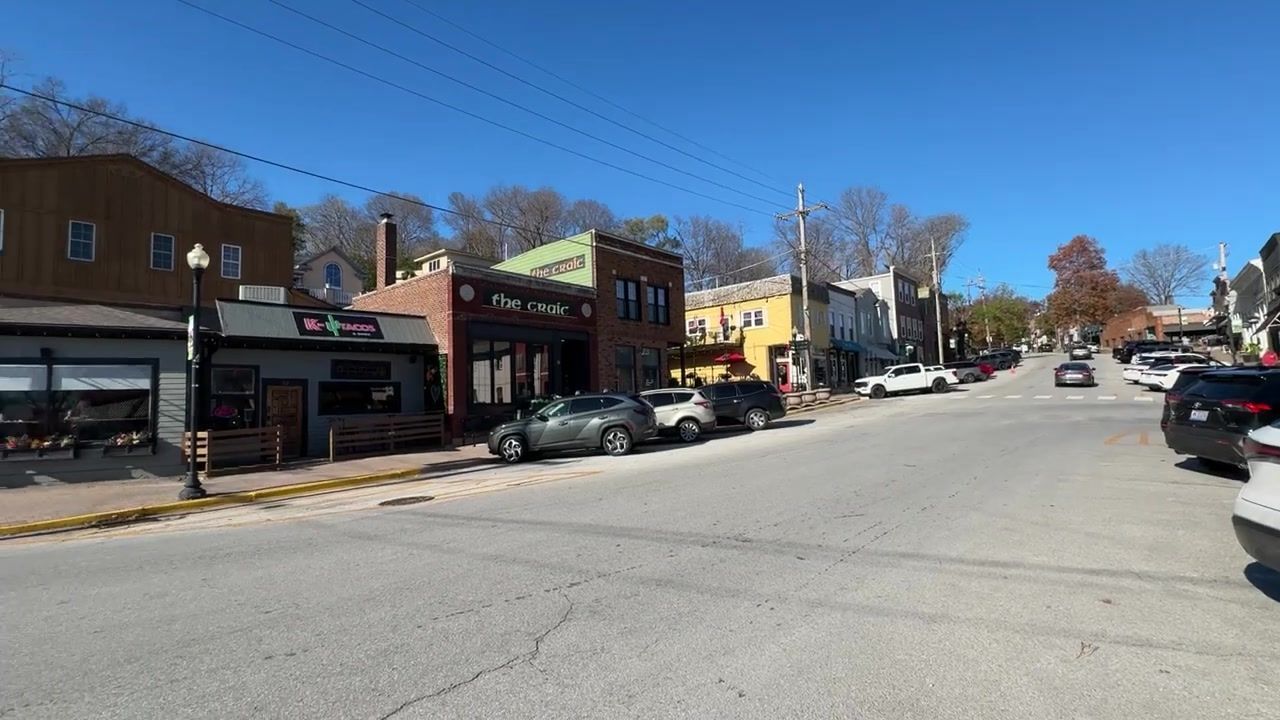
Lee's Summit is the largest city on the Missouri side, with over 100,000 people, and it ranked #26 on Livability.com's top 100 list. The downtown here is amazing, lots of activity, good restaurants, a real sense of place. If you want a suburb that doesn't feel like a bedroom community, Lee's Summit delivers.
The median home price for new construction is around $589,000, and new construction is still booming. The commute to downtown Kansas City isn't bad, you take I-70, and depending on traffic, you're looking at 25 to 35 minutes. That's reasonable for a suburb this size.
Lee's Summit has a strong sense of community, local schools, and a lot of new development. If you're relocating from out of state and you want a suburb with some personality, this is one to tour.
Downtown Lee's Summit
The downtown here is one of the best in the metro. You've got local shops, restaurants, farmers markets, and events year-round. It's not just a place you drive through. It's a place you go.
Shawnee, Lenexa, and Leawood: Quick Commutes and Kansas Side Living
Shawnee , Lenexa , and Leawood are all on the Kansas side, and they all share one big advantage: you can get to downtown pretty quickly because of highway access. If you work downtown or just want the option to get there without a long drive, these suburbs make sense.
I didn't dive deep into each of these on the video because they're similar in a lot of ways, local schools, safe neighborhoods, community-driven, and short commutes. But they each have their own character. Leawood skews a bit more upscale. Shawnee and Lenexa offer more affordable options and a mix of older and newer neighborhoods. If you're relocating and you want to stay on the Kansas side, these three should be on your list.
Blue Springs, Parkville, Liberty: Missouri Side Trade-Offs
Blue Springs is on the Missouri side, and the commute to downtown is longer. You're taking I-70, and depending on traffic, you need to plan for it. It's not a dealbreaker, but it's something to know. If you work downtown and you're looking at Blue Springs , factor in that extra drive time.
Parkville is on the northwest side of Missouri, and it's super close to downtown. The commute is short, and the community has a lot of charm. Liberty is also on the northwest side, and it's not too hard to get downtown from there either. Both are good options if you want to live on the Missouri side but still have reasonable access to the city.
De Soto: Ground Zero for the $4 Billion Panasonic Plant
De Soto is where the Panasonic plant is going, and it's already changing the market. This is a $4 billion investment that will bring 4,000 to 4,500 jobs by 2025. Home appreciation prices are already adjusting in De Soto and the surrounding areas like Olathe . New construction is happening here, and if you're relocating for the plant or just want to be in a growth area, De Soto is ground zero.
We don't live too far from De Soto , and we're already seeing the impact. Buyers are asking about it. Builders are active. This is a market to watch.
Cost of Living: Groceries, Healthcare, and Transportation
Kansas City's cost of living is about 6% lower than the national average. That includes housing, but it also includes groceries (3% lower), healthcare (16% lower), and transportation (12% lower). If you're relocating from a high-cost market, that difference adds up fast.
We don't have a great transit system from the suburbs to downtown. Most people drive. But gas prices and transportation costs are still lower than the national average, and the commute times are short enough that you're not spending two hours a day in the car.
Healthcare Costs
We've got some great medical facilities here, and healthcare costs are 16% below the national average. If you're relocating and healthcare is a concern, Kansas City is a good place to land.
Culinary Scene: 90+ Barbecue Restaurants and Beyond
Kansas City is known as the barbecue capital of the world, and we've got over 90 barbecue restaurants to prove it. Some of my favorites are Jack Stack , Q39 , and Joe's . Whether you like it saucy or dry rub, you'll find something here. There's a new place called Burnt Ends that we've been going to, and it's excellent.
But we're not just barbecue. We've got close to 600 Mexican restaurants, plus traditional American, pizza, Chinese, seafood, and Korean. There's a new all-you-can-eat Korean barbecue place near my house called K-pop that's worth checking out. And if you want a nice steakhouse, Capital Grille near the Country Club Plaza is one of my go-tos.
The culinary scene here is diverse, and depending on where you live, your suburb probably has some solid local spots too.
Commute Times: How Far Is Too Far?
Even when you live in the suburbs, getting to downtown from most areas is not bad. If you're in Leawood or Overland Park , you can get downtown in 20 to 30 minutes because of highway access. Shawnee and Lenexa are similar. On the Missouri side, Lee's Summit takes a bit longer via I-70, but it's still reasonable. Blue Springs might take you a little longer, so plan for it. On the northwest side, Parkville is super close, and Liberty isn't too hard to get downtown from either.
Short commute times are one of the reasons people move here. You can live in a suburb with local schools and a yard and still get to work without losing your mind in traffic.
What's Coming: $4 Billion in Development and a Potential Royals Stadium
Kansas City is not a stagnant market. We're in growth mode, and there's over $4 billion in development happening right now. Here's what's coming.
South Loop Park Project
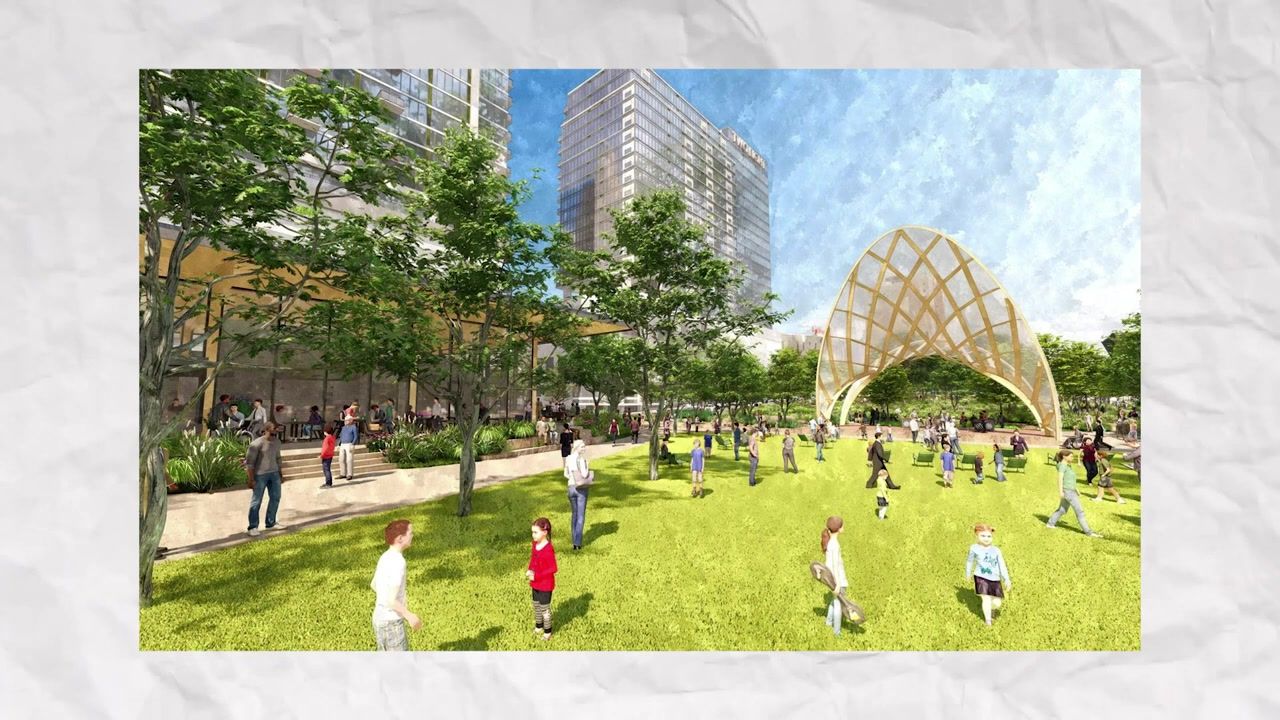
This is a 5.5-acre urban park over I-670 that connects the Central Business District with the Crossroads Arts District. It's a $31.4 million project that should be done sometime next year. It's going to have gardens, play areas, entertainment venues, and markets. It's designed to create community engagement and boost economic development.
Panasonic $4 Billion Facility in De Soto
I've mentioned this a few times, but it's worth repeating. This is a $4 billion investment that will employ 4,000 to 4,500 people by 2025. It's a huge boost to local employment, and it's already affecting home prices in De Soto and Olathe .
KC Streetcar Expansion
The KC Streetcar expansion is a $351 million project that's starting to come online now. It connects key areas of the city and is designed to create more economic development along the new routes.
Berkeley Riverfront Development
This is a billion-dollar project with residential units, commercial spaces, recreational facilities, and entertainment venues. The Kansas City Current Stadium is part of this development. It's designed to attract residents and tourists and boost the local economy.
Kansas City Current Stadium
The Kansas City Current Stadium is complete, and it's a $117 million project. It's the first women's professional soccer stadium in the country, and the team did really well this year. The city has benefited from the publicity, and soccer continues to grow in popularity here.
Potential Royals Stadium
This is a wild card. It's a $2 billion project, and it's not 100% done yet. But if it happens, it's a huge economic impact for Kansas City. The Royals are part of the history here, and a new stadium would be a big deal. They're hoping to start construction in the next few years if everything plays out.
Which Kansas City Suburb Is Right for You?
If you want local schools, a strong sense of community, and you don't mind paying a bit more, Overland Park is the move. If you want to be near the Panasonic plant and you're looking for growth and new construction, Olathe or De Soto make sense. If you want a thriving downtown and you're okay with living on the Missouri side, Lee's Summit is a great option. If you want a short commute and you're flexible on the suburb, Leawood , Shawnee , or Lenexa on the Kansas side, or Parkville on the Missouri side, are all solid choices.
Every suburb has trade-offs. Some have longer commutes. Some have higher prices. Some are still building out. But the thing about Kansas City is that you have options. You can find a suburb that checks your boxes without breaking the bank.
Conclusion
Kansas City made the National Association of Realtors' top 10 housing markets for 2025 because the fundamentals are strong. We've got affordable housing, a thriving job market, short commute times, and over $4 billion in development coming. Net migration is up. Income growth is up. Unemployment is low. And you can still buy a house here without liquidating your life savings.
If you're thinking about relocating, now is the time to look. Prices are adjusting in growth areas like Olathe and De Soto , but we're still affordable compared to most markets. And if you're relocating for work, the job market here is strong across healthcare, logistics, tech, and manufacturing.
Whether you're moving in 7 days or 7 months, reach out. My team and I can help you find the right neighborhood, navigate the housing market, and make sure you're prepared when it's time to make an offer. Give me a call, shoot me a text, send me an email. Let's make your move to Kansas City smooth.
FAQ: Moving to Kansas City
Why is Kansas City ranked as a top housing market in 2025?
Kansas City ranked in the top 10 housing markets by the National Association of Realtors because of affordability, strong job growth, and rising net migration. Home prices are still below three to five times median income in most areas, and we're adding over 11,000 jobs a year. The cost of living is 6% below the national average, and unemployment sits at 3.12%.
What is the median home price in Kansas City?
The average home value in Kansas City is around $230,000 to $250,000, and the median sale price for existing homes is $247,500. New construction in suburbs like Overland Park runs around $625,000, and in Lee's Summit it's around $589,000. Prices vary by suburb and home type.
How is the Panasonic plant affecting the Kansas City housing market?
The Panasonic $4 billion plant in De Soto is bringing 4,000 to 4,500 jobs by 2025, and home prices in De Soto and Olathe are already adjusting. We're seeing appreciation increase as buyers realize the economic impact. If you're thinking about buying in that area, now is the time.
What are the best suburbs for families relocating to Kansas City?
Overland Park ranked #1 for families and #7 overall in the US by Livability.com. Olathe ranked #13, and Lee's Summit ranked #26. All three have local schools, safe neighborhoods, and strong community networks. Verify current school information with the district.
How long is the commute from Kansas City suburbs to downtown?
From Overland Park , Leawood , Shawnee , and Lenexa , you can get downtown in 20 to 30 minutes. Lee's Summit takes 25 to 35 minutes via I-70. Blue Springs takes longer, so plan for it. Parkville on the northwest side is super close, and Liberty is not too hard to reach downtown from either.
What industries are hiring in Kansas City?
Healthcare, logistics, financial services, technology, biotech, and manufacturing are all hiring. Panasonic is bringing 4,000-plus jobs. Google Fiber has added over 1,800 jobs since 2023. H&R Block and Commerce Bank continue to expand. Unemployment is 3.12%, compared to the national average of 3.6%.
Jimmy and Niki Ezzell are Kansas City real estate experts who help people relocate. They provide insights on neighborhoods, real estate tips, and market updates to make moving to Kansas City seamless.
Newsletter
Subscribe to our newsletter to stay updated on the latest trends in Kansas real estate market