
Kansas Exodus: Why People Are Leaving These Cities
The moving trucks are rolling out of some Kansas towns, and the pattern is clear: people are packing up and heading somewhere else. But this isn't a story about Kansas dying, it's about where opportunity, schools, and lifestyle are pulling families and young professionals. If you're weighing a move to the Kansas City metro or wondering why certain towns feel quieter than they used to, the reasons come down to jobs, amenities, crime, and the magnetic draw of suburbs that keep building, hiring, and improving.
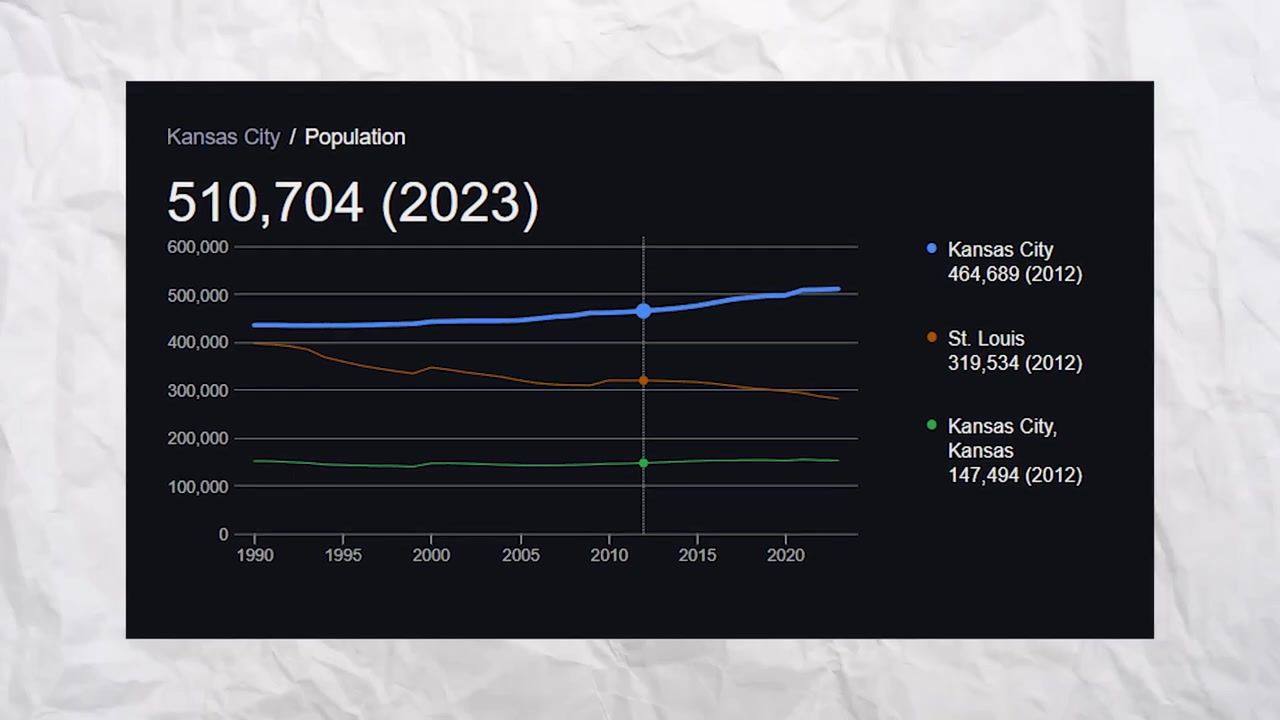
I've watched this shift firsthand. Kansas City, Kansas, yes, the urban core on the Kansas side, lost over 400 residents between 2020 and 2023, a 0.27% decline. Garden City dropped 0.54%. Great Bend fell 1.81%. Salina slid 0.95%. And Liberal, down in the southwest corner, posted the steepest loss: 3.66%, nearly 700 people in a town of fewer than 19,000. These aren't ghost towns, but they're not growing like Overland Park, Leawood, or Lenexa, places ranked among the best in the country for families, professionals, and quality of life.
What's driving the exodus? A mix of economic stagnation, youth leaving for college and never coming back, limited housing development, and the simple fact that people want more, more job options, better schools, newer neighborhoods, things to do on a Saturday night. Meanwhile, the Kansas City suburbs keep delivering exactly that. If you're considering a move to the metro or curious why these five cities are shrinking, here's what you need to know.
Table of Contents
Kansas City, Kansas: Urban Flight to Nearby Suburbs
Kansas City, Kansas sits right in the metro, bordered by some of the fastest-growing, highest-rated suburbs in the region. And that's exactly the problem, or the opportunity, depending on how you look at it. KCK lost just over 400 people from 2020 to 2023, a 0.27% decline. That might sound small, but it's significant when you realize people aren't leaving the Kansas City metro. They're just moving a few miles west or south to Overland Park, Leawood, Lenexa, Olathe, or Shawnee.
Why? Crime is one factor. Many neighborhoods in KCK have higher crime rates than the suburbs, and peace of mind matters when you're choosing where to raise a family or retire. Schools are another. KCK schools aren't rated as highly as the districts in Overland Park or Leawood, where Blue Valley School District ranks number one in the entire Kansas City metro. Parents notice that gap, and they act on it.
Then there's the infrastructure. KCK is showing its age, potholes, bridges under maintenance, older public buildings, parks that need updates. Compare that to the new subdivisions, modern amenities, and city centers popping up in Lenexa or the polished streetscapes in Leawood, and the contrast is stark. Economic growth in KCK hasn't kept pace with Overland Park or Olathe, where job opportunities are booming. Downtown Kansas City, Missouri is close, and the massive $4 billion Panasonic plant in De Soto is creating thousands of jobs just outside the city limits. If you're living in KCK and commuting to one of those job centers, it's not hard to see why you might consider moving closer.
Not every part of KCK is struggling. The Piper area near the Speedway is a growth pocket with good homes, new subdivisions, and a solid community feel. My wife Niki and I know that area well, we have clients and friends who live there, and it's one of the brighter spots in the city. But east of 435, closer to the urban core, the story is different. Fewer new developments, older housing stock, and the challenges I mentioned earlier.
KCK isn't dying. It's just competing with suburbs that are building faster, hiring more, and offering the schools and safety that families prioritize. If you're moving to the Kansas City metro and considering KCK, focus on the Piper area or the neighborhoods near the Speedway. Everywhere else, weigh the trade-offs carefully, or look at the suburbs that are pulling people away.
Garden City: Agriculture Dependence and Limited Growth
Garden City sits in western Kansas, about a three-hour drive from the metro along I-70. It's a small town with classic Kansas charm, but it's losing people, down 0.54% in recent years. The reasons are rooted in its economy and what it can't offer young professionals and families.
Garden City's economy is built on agriculture. When the farm economy struggles, jobs and wages follow. That's not a new problem, but it's one that hasn't been solved. The town lacks industry diversity, so if you're not in ag, your career options are limited. Younger generations aren't eager to stay in ag-heavy towns, especially when tech jobs and remote work are calling them to cities like Kansas City or even Wichita.
Amenities are another issue. Garden City has small-town charm, but it doesn't have a ton of restaurants, shopping, or entertainment. If you're used to the variety you get in a metro area, Garden City feels quiet. Housing inventory is tight, and newer developments are rare. When people can't find what they want, they start looking elsewhere.
Schools matter too. Families moving to Kansas City often prioritize highly rated districts like Blue Valley in Overland Park and Leawood, or the strong schools in Shawnee, Lenexa, and Olathe. Garden City's schools aren't rated at that level, and perception drives decisions. If you're raising kids and weighing where to live, the metro suburbs offer more.
Garden City isn't a bad place to live. It's affordable, and if you value a slower pace and tight-knit community, it has appeal. But to retain and attract residents, it needs to expand its economy beyond agriculture, modernize services, and offer more of what younger families and professionals are looking for. Until that happens, the flow toward Kansas City will continue.
Great Bend: Shifting Jobs and Youth Outmigration
Great Bend, another western Kansas town along I-70, posted a 1.81% population decline, the third-largest drop in the state. It's not dying, but it's not growing like the Kansas City metro, and the reasons are familiar: jobs, youth leaving, and limited amenities.
The job market in Great Bend has shifted. Fewer manufacturing and oil-related jobs mean fewer reasons for workers to stay. New business growth has been limited, so people follow opportunities to bigger cities. If you're in your twenties or thirties and looking for career options, Great Bend doesn't offer the variety you'll find in Kansas City, where Overland Park alone has been ranked a top city for professionals.
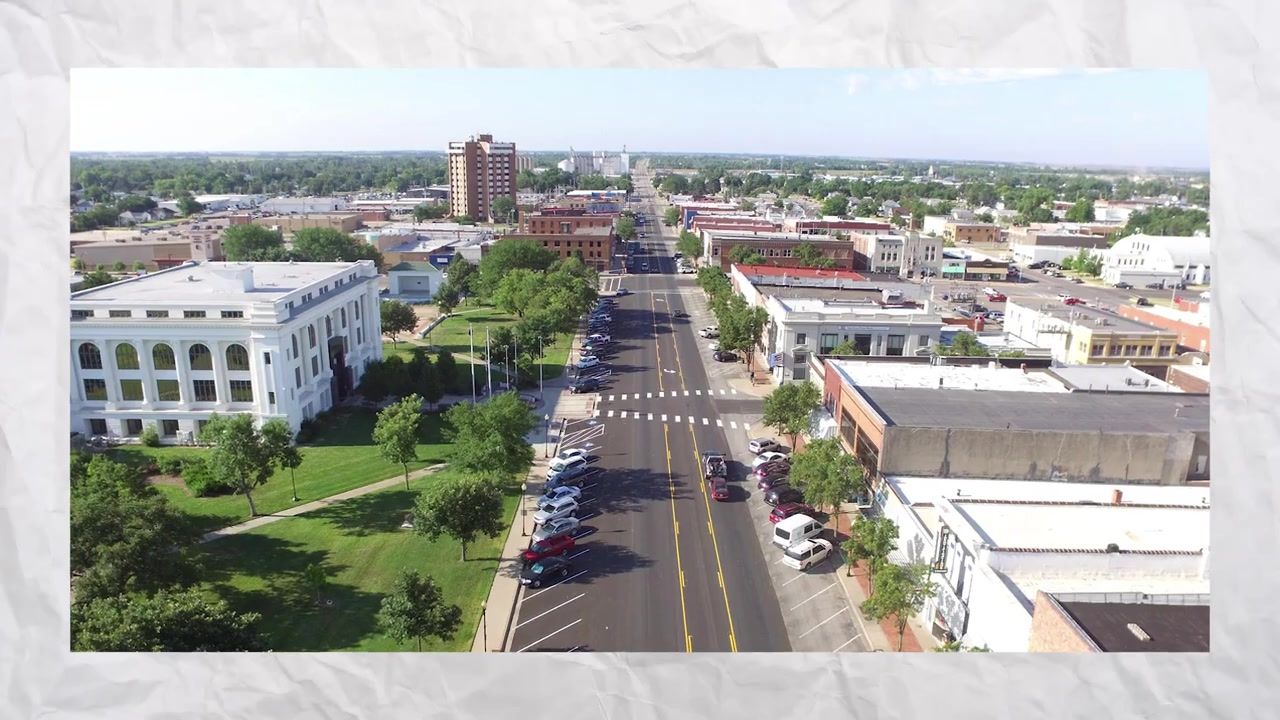
Youth outmigration is a big factor. High school graduates leave for college, maybe KU in Lawrence, maybe somewhere else, and they don't come back. Lawrence is closer to Kansas City, and once you're in that orbit, the pull of the metro is strong. More jobs, more to do, more people your age. Great Bend can't compete with that.
Healthcare is another concern. Great Bend has healthcare services, but there have been complaints about limited options and long wait times. That matters to families and retirees, who may decide to relocate somewhere with better access. Recreation and entertainment are limited too. Young families and professionals want more than a slow pace, they want a vibrant scene, and Great Bend doesn't offer that.
Great Bend isn't collapsing. It's just not growing at the pace of Overland Park, which has been ranked top five to top seven nationally depending on the source, or Lenexa with its booming city center, or Olathe with its steady expansion. When you're competing with suburbs like that, it's hard to keep people from leaving.
Salina: Employer Losses and an Aging Population
Salina sits at the junction of I-70 and I-35 in central Kansas, which gives it more traffic and visibility than some of the other towns on this list. But it still lost 0.95% of its population, and the reasons are economic and demographic.
Salina has faced big economic shifts in recent years. Major employers have left or downsized, and when that happens, residents follow the jobs to other cities. If your company closes or moves, you're not sticking around hoping something else opens up, you're going where the work is. That's pulled people toward Kansas City, Wichita, and other metros with more diverse job markets.
The population is aging. More mature demographics, fewer births, more retirees, that's a sign of slow growth or decline. Youth are leaving too, heading to more vibrant cities like Overland Park or downtown Kansas City. Salina has a local college, but it's not large enough to retain the volume of young people growing up in the area. If you're looking for a specific field or a bigger job market, you have to go somewhere else.
Connectivity and infrastructure haven't grown fast enough. Salina isn't isolated, but it's not super connected either. Transportation options and business development lag behind what you see in the Kansas City suburbs, where new office parks, retail centers, and residential neighborhoods keep popping up. Salina has historic charm, great parks, and affordability, but it needs to innovate to keep growing.
If you're considering Salina, know that it's a slower pace with fewer amenities than the metro. Homes are more affordable than Leawood or Parkville, two of the higher-end Kansas City suburbs, but you're trading convenience and opportunity for that lower price.
Liberal: The Biggest Decline in Kansas
Liberal, down in the southwest corner of Kansas, posted the steepest population loss in the state: 3.66%. With just under 19,000 residents, that's a significant drop. The reasons are economic, educational, and lifestyle-driven.
Liberal has faced an economic slowdown. Major employers have downsized, and not enough new industries have come in to fill the gap. When jobs disappear, people leave. That's the story in Liberal. Education is another factor. Students leave for college elsewhere, Kansas has local schools, and so do neighboring states, and they don't come back. If your kids leave town for education and never return, the population shrinks.
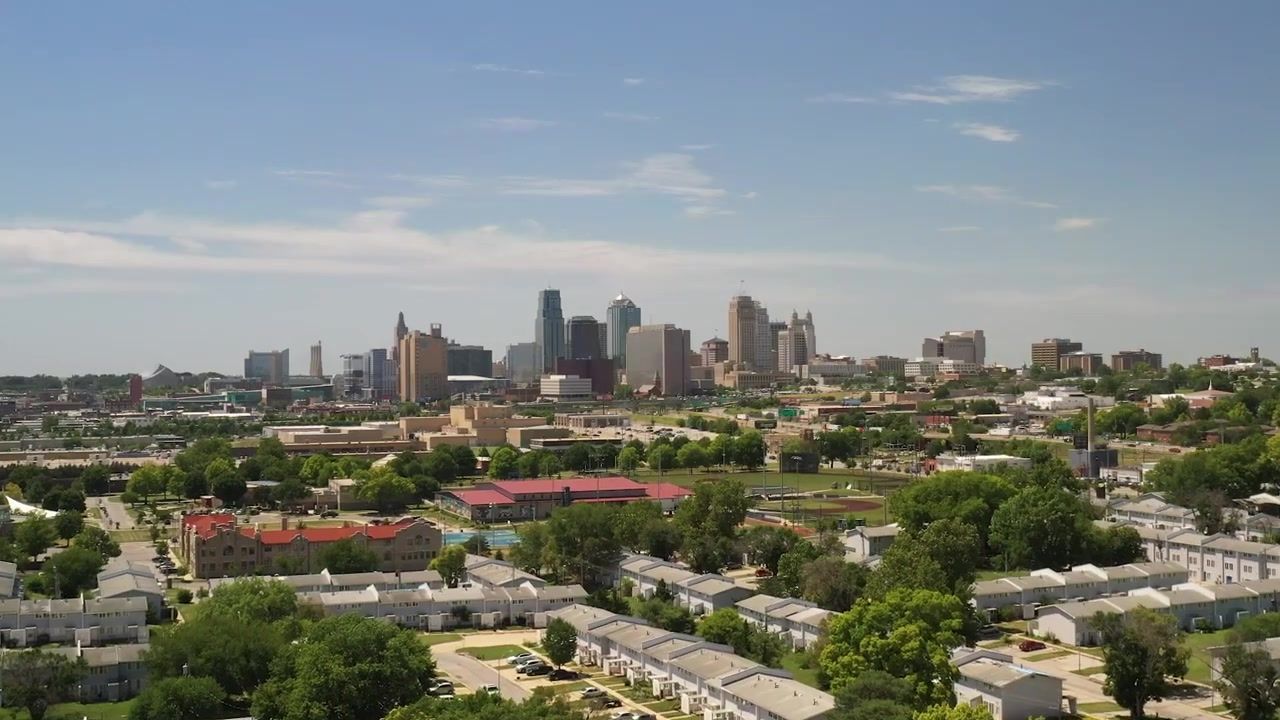
Housing and development have been slow. Home prices in Liberal are lower than the Kansas City metro average, but there's been limited growth in new neighborhoods, shopping centers, or recreational spaces. People feel like the city is stagnant, not growing, so they look for somewhere with more momentum. Kansas City is the obvious choice, it's not that far, and it has everything Liberal lacks.
Cultural and lifestyle amenities are limited. The younger generation wants entertainment, dining, fitness, arts. Liberal hasn't kept pace with that demand. Kansas City has it all: job growth, local schools, young professionals, suburbs where you can raise a family in a new neighborhood with great amenities. If you're in Liberal and you want more, Kansas City is where you go.
Liberal isn't a bad place to live if you value affordability and a small-town feel. But it's losing people because it can't offer what the Kansas City metro can. Until that changes, the exodus will continue.
Which Kansas City Suburb Is Right for You?
If you're leaving one of these five cities, or just moving to the Kansas City metro, you have options. The suburbs pulling people away from KCK, Garden City, Great Bend, Salina, and Liberal all offer something different, and the right choice depends on what you prioritize.
Choose Overland Park if you want top-tier schools, a strong job market, and a city that's been ranked among the best in the country for families and professionals. Blue Valley School District is number one in the metro, and the city has new developments, shopping, dining, and a vibrant feel. It's more expensive than KCK or the western Kansas towns, but you're paying for quality and opportunity.
Choose Leawood if you want prestige and local schools. Blue Valley School District covers Leawood and parts of Overland Park, and the city has a polished, upscale feel. Homes are pricier here than almost anywhere else in the metro, but if you can afford it, Leawood delivers.
Choose Lenexa if you want growth and a modern city center. Lenexa has been expanding west, building new neighborhoods, retail, and office space. It's a little more affordable than Overland Park or Leawood, but it's still growing fast and offers local schools.
Choose Olathe if you want steady growth, local schools, and a residential vibe. Olathe is one of the larger suburbs, and it keeps building. It's more affordable than Leawood but still offers the amenities and opportunities people are looking for.
Choose Shawnee if you want a balance of affordability and quality. Shawnee has local schools, new developments west of K-7, and a strong sense of community. It's not as expensive as Overland Park or Leawood, but it's still a top choice for families.
All of these suburbs offer what the declining Kansas cities can't: job diversity, local schools, new housing, and a lifestyle that appeals to young professionals and families. If you're relocating to Kansas City, these are the places pulling people in.
Conclusion
The exodus from Kansas City Kansas, Garden City, Great Bend, Salina, and Liberal isn't about Kansas failing, it's about where opportunity, schools, and lifestyle are concentrated. People are moving to the Kansas City suburbs because that's where the jobs are, where the schools are rated highest, where new neighborhoods are being built, and where there's more to do. KCK is losing people to Overland Park and Leawood. The western Kansas towns are losing people to the entire metro.
If you're considering a move to Kansas City, you're making the same calculation thousands of others have made: more opportunity, better schools, safer neighborhoods, and a vibrant lifestyle. The suburbs I've covered, Overland Park, Leawood, Lenexa, Olathe, Shawnee, are where people are landing, and they're not slowing down.
My wife Niki and I help people navigate this market every day. Whether you're leaving one of these five cities or moving to Kansas City from out of state, we can walk you through your options, show you the neighborhoods that fit your priorities, and make sure your move is smooth and stress-free. Give us a call at 913-214-2979, shoot us an email at info@LivingInKansasCityTeam.com. We'd love to help you find the right place in Kansas City.
FAQ
Why are people leaving Kansas City, Kansas?
People are leaving Kansas City, Kansas for nearby suburbs like Overland Park, Leawood, Lenexa, Olathe, and Shawnee. The main reasons are higher crime rates in many KCK neighborhoods, schools that aren't rated as highly, aging infrastructure, and fewer job opportunities compared to the suburbs. The Piper area near the Speedway is a growth pocket with good homes, but east of 435, the challenges are more pronounced.
What's causing the population decline in Garden City, Kansas?
Garden City's economy is heavily dependent on agriculture, so when the farm economy struggles, jobs and wages follow. The town also lacks industry diversity, which limits career options for younger generations. Amenities like restaurants, shopping, and entertainment are limited, and housing inventory is tight with few new developments. Families looking for local schools and more opportunities are moving to Kansas City or Wichita.
Is Great Bend, Kansas a good place to live?
Great Bend offers a slower pace and affordability, but it's losing population due to a shifting job market, youth outmigration, and limited amenities. Fewer manufacturing and oil-related jobs mean fewer reasons to stay, and young people are leaving for college and jobs in bigger cities like Kansas City or Lawrence. Healthcare services are limited, and recreation and entertainment options don't match what you'll find in a metro area.
Why is Liberal, Kansas losing so many residents?
Liberal posted the biggest population decline in Kansas at 3.66%. The main reasons are an economic slowdown with major employers downsizing, students leaving for college and not returning, and slow housing and development growth. The city hasn't kept pace with demand for cultural and lifestyle amenities like entertainment, dining, and fitness. People are moving to Kansas City for better job opportunities, schools, and a more vibrant lifestyle.
Which Kansas City suburb has local schools?
Blue Valley School District, which covers Leawood and parts of Overland Park, is ranked number one in the Kansas City metro. Shawnee, Lenexa, and Olathe also have local schools. If schools are a top priority, these suburbs are where families are moving.
Are homes in these declining Kansas cities more affordable than Kansas City suburbs?
Yes. Homes in Kansas City Kansas, Garden City, Great Bend, Salina, and Liberal are significantly more affordable than high-end Kansas City suburbs like Leawood or Parkville. You can get more home for your money in these towns, but you're trading convenience, job opportunities, and amenities for that lower price. If you're okay with a slower pace and fewer options, the affordability can be a good value.

Jimmy and Niki Ezzell are Kansas City real estate experts who help people relocate. They provide insights on neighborhoods, real estate tips, and market updates to make moving to Kansas City seamless.

Newsletter
Subscribe to our newsletter to stay updated on the latest trends in Kansas real estate market