
Moving to Kansas City, MO: A Complete Cost of Living Guide
Think Kansas City is cheap? You might want to think again. Sure, the metro has a reputation for affordability, and in many ways, it earns that reputation, but not every line item in your budget will come in under the national average. Some costs will surprise you in a good way. Others? Not so much.
We get calls and emails from folks who assume everything here costs less than where they're coming from, and while housing is often a pleasant surprise, utilities and healthcare can catch buyers off guard. The real story is more nuanced than the headlines suggest, and if you're serious about moving here, you need the full picture before you pack the truck.
In this guide, I'll walk you through what it actually costs to live in Kansas City, not just the median home price, but rent, utilities, gas, groceries, and healthcare. I'll also break down six suburbs where prices vary wildly, from affordable Liberty to premium Parkville. By the end, you'll know exactly where your money goes further and where you'll pay a premium.
Table of Contents
- Kansas City Housing and Rental Market
- Overland Park: Higher Prices, Strong Appreciation
- Olathe: Above the Median, Still Accessible
- Leawood: Premium Pricing at $708,695
- Lee's Summit: A Lot of Home for the Money
- Liberty: Historic Charm at $305,067
- Parkville: Beautiful Bluff Location with Premium Pricing
- Utilities: 8% Higher Than the National Average
- Transportation: Gas and Public Transit
- Groceries: On Par with the National Average
- Healthcare: Great Hospitals, Mental Health Gaps
- Which Kansas City Suburb Fits Your Budget?
- Conclusion
Kansas City Housing and Rental Market
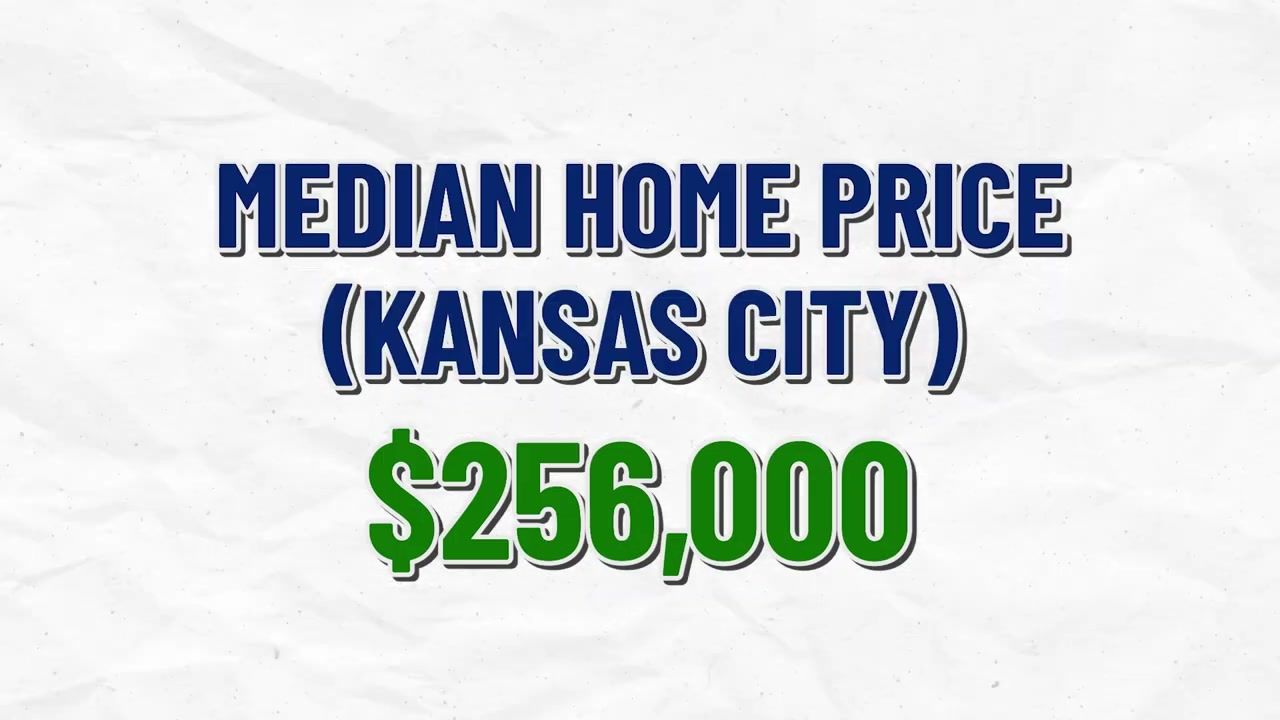
Right off the bat, let's talk about the housing market, because that's the biggest line item in anyone's budget. The median home price in Kansas City is $256,000 versus the national median of $400,500. That's a significant gap, and it's one of the main reasons people relocate here from bigger metros.
Let me give you some comparisons. Denver, Colorado comes in at $577,350. Chicago, Illinois sits around $297,039. Nashville, Tennessee is $428,678. So Kansas City is cheaper than all three of those markets. Now, if you compare us to a neighboring big city like St. Louis, they come in at $249,908, just a little less than our $256,000 median. But here's the thing: those are metro-wide numbers, and the suburbs tell a very different story.
Renting in Kansas City is also more affordable than the national average. The average monthly rent here is around $1,169, which is 24.8% lower than the national average of $1,554. That makes renting a viable and affordable option for people who need to do that, whether you're waiting to buy or just testing out the market before you commit.
The key takeaway is that Kansas City's housing costs are lower than most major metros, but the suburbs vary widely. Some are well below the median, and others push well above it. If you're trying to figure out which area fits your budget, that's exactly where we can help. Reach out to us, schedule a one-on-one Zoom or give us a call, and we'll walk you through the neighborhoods that match your price range and lifestyle.
Overland Park: Higher Prices, Strong Appreciation
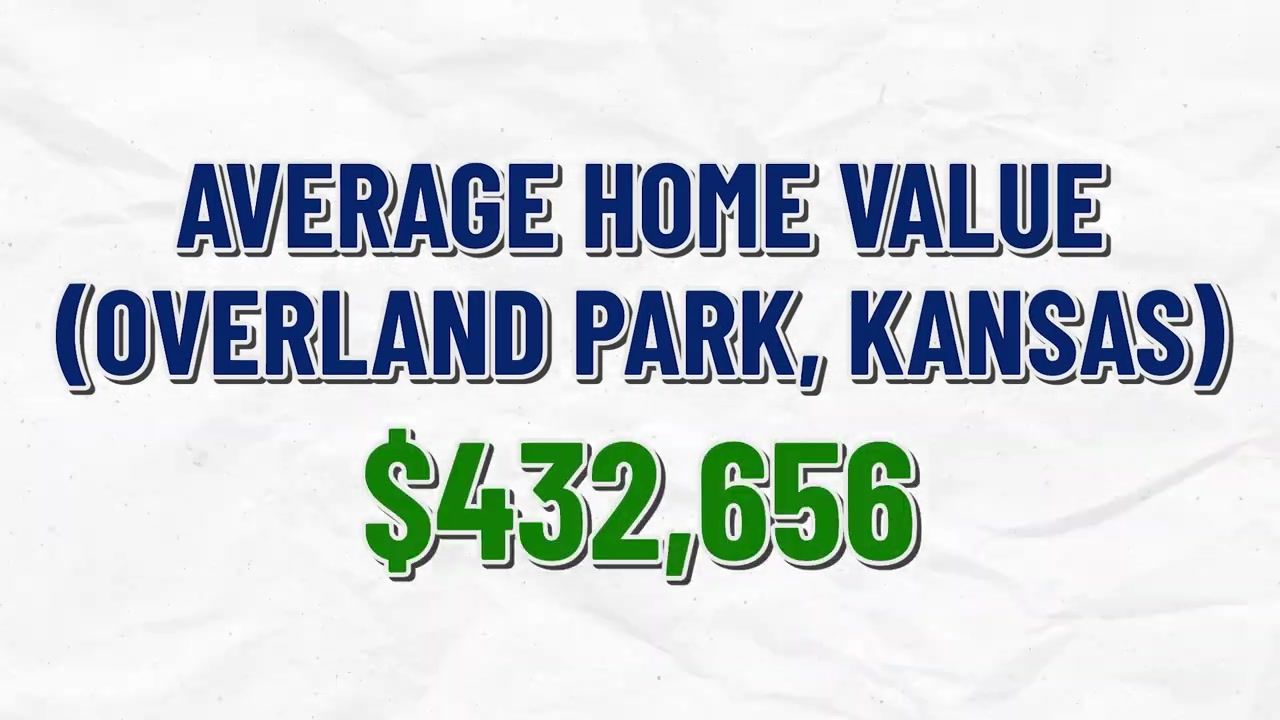
Overland Park sits on the Kansas side, and it's one of the most popular suburbs in the metro. The average home value here is $432,656, which is noticeably higher than the Kansas City median. But here's what makes Overland Park attractive: property values continue to increase. They had a 3.3% home value increase last year, so you're not just buying a home, you're buying into a market that's holding strong.
Overland Park is more expensive than Lee's Summit, which we'll talk about in a minute, but a lot of buyers are willing to pay that premium for the schools, the amenities, and the location. It's a suburb that raises the Kansas City average, and if you're comparing it to other metros, it still comes in well below what you'd pay for a similar home in Denver or Nashville.
If you're relocating from a bigger city and you want a suburban feel with local schools and strong appreciation, Overland Park is worth a look. Just know that you're paying above the metro median, and that's reflected in everything from home prices to property taxes. We can help you run the numbers and figure out if it fits your budget.
Olathe: Above the Median, Still Accessible
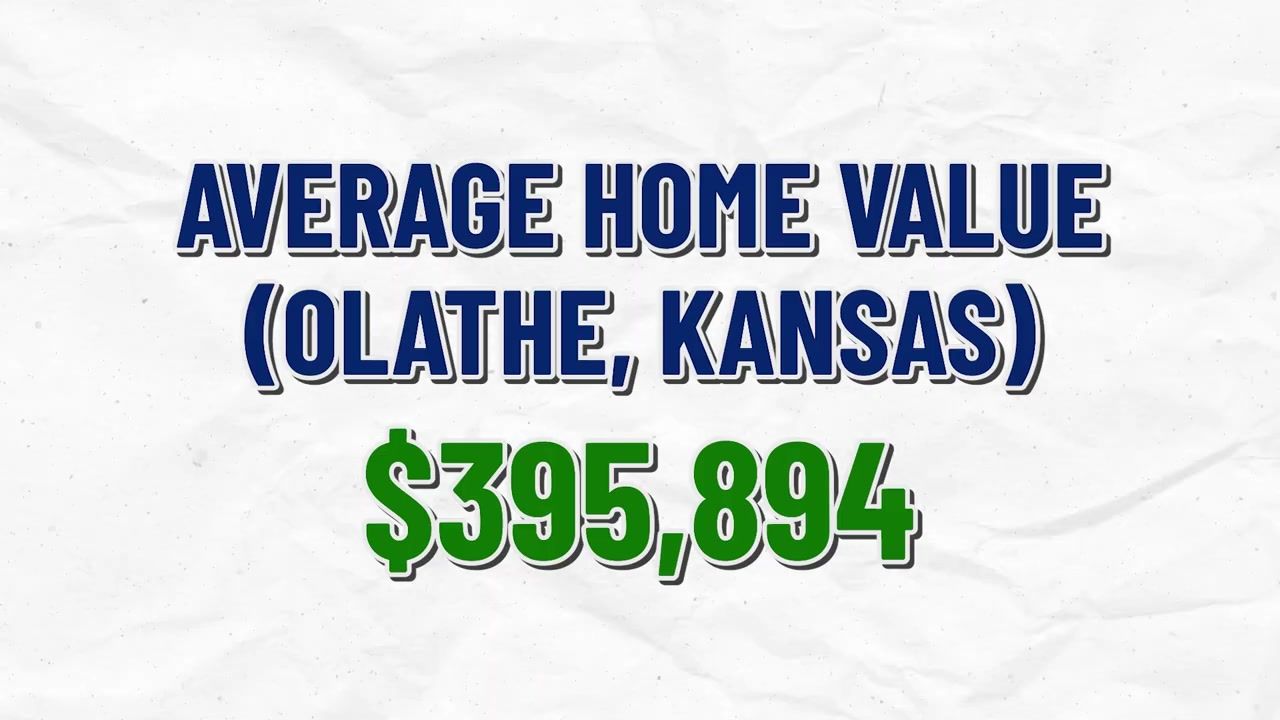
Olathe is another Kansas-side suburb, and the average home value here is $395,894. That's still higher than the Kansas City median, but it's more accessible than Overland Park or Leawood. Olathe has grown a lot over the last decade, and it's become a go-to for buyers who want local schools and a suburban lifestyle without paying Leawood prices.
The city has a solid mix of new construction and established neighborhoods, so you've got options depending on what you're looking for. If you're coming from a market where $400,000 doesn't get you much, Olathe will feel like a win. You're getting space, local schools, and a community that's still growing.
One thing to keep in mind is that Olathe is a little farther south, so your commute to downtown Kansas City will be longer than if you lived in Overland Park or Lee's Summit. But if you work on the Kansas side or you're okay with a suburban commute, Olathe is a strong option that won't blow your budget.
Leawood: Premium Pricing at $708,695
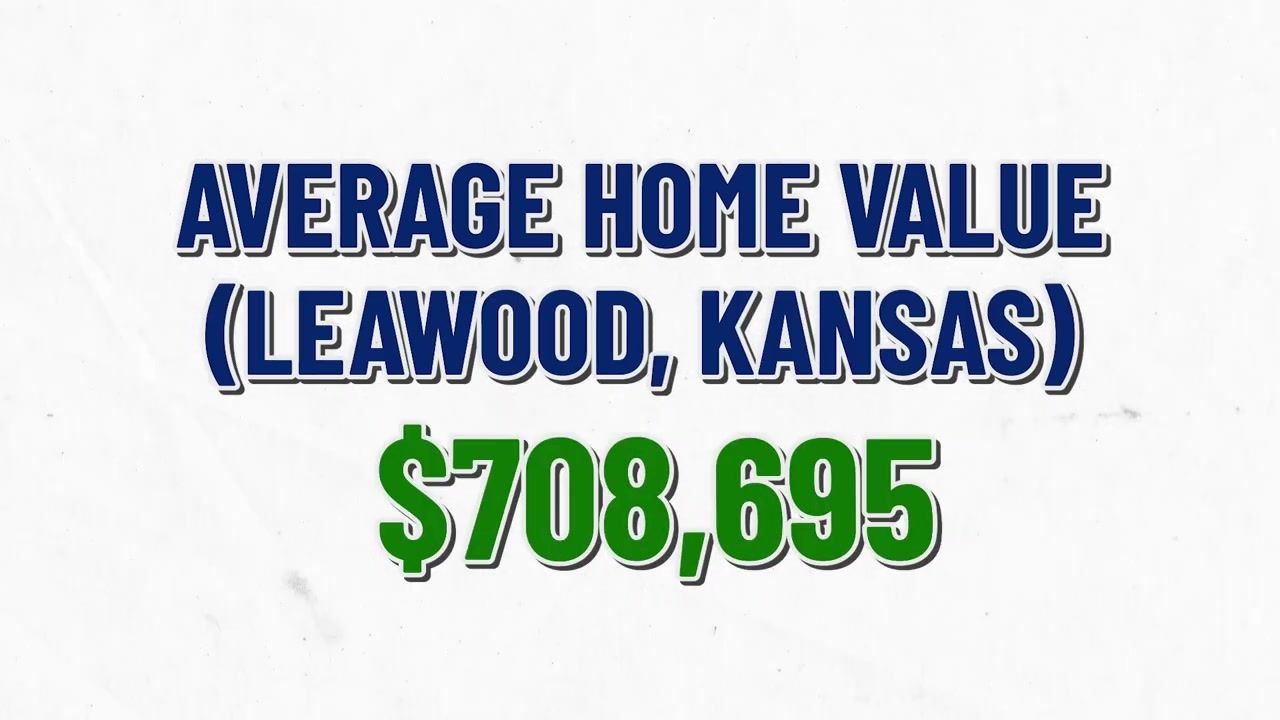
Leawood is the premium suburb on the Kansas side, and the numbers reflect that. The average home value here is $708,695, which is significantly higher than the Kansas City median. Leawood raises the metro average all by itself, and it's the kind of place where you're paying for prestige, location, and top-tier schools.
Leawood had a 3.3% home value increase last year, same as Overland Park, so the market here is strong and stable. If you're relocating from a high-cost metro and you want a suburb that feels upscale without the California or New York price tag, Leawood delivers. But you need to be ready for that premium, not just in home prices, but in property taxes and cost of living across the board.
This is a suburb where buyers are looking for a certain lifestyle, and they're willing to pay for it. If that's you, we can show you what's available and help you understand the full cost of owning in Leawood. If it's not, we've got plenty of other options that give you local schools and a strong community without the $700,000 price tag.
Lee's Summit: A Lot of Home for the Money
Lee's Summit is one of the biggest cities in the metro, with over 100,000 people, and it sits on the Missouri side. The average home value here is $365,969, which is less expensive than Overland Park and a lot more accessible than Leawood. I did a video comparing Overland Park and Lee's Summit, and the takeaway is simple: Overland Park costs more, but Lee's Summit gives you a lot of home for the money.
Lee's Summit is a great town. You've got local schools, a strong sense of community, and a mix of new construction and established neighborhoods. It's a place where families put down roots, and the market reflects that. If you're trying to stretch your budget without sacrificing quality of life, Lee's Summit is one of the best options in the metro.
The Missouri side also tends to have slightly lower property taxes than the Kansas side, so that's another factor to consider when you're running the numbers. If you want suburban living without the premium price tag, Lee's Summit should be on your list.
Liberty: Historic Charm at $305,067
Liberty is a little bit older town on the Missouri side, and it's got that historic charm that some buyers really love. The average home value here is $305,067, which is right around the Kansas City median. Liberty had a 3% home value increase last year, so the market is steady without the big jumps you see in Parkville or Leawood.
Liberty is a good option if you want a smaller-town feel with easy access to the metro. It's not as flashy as some of the other suburbs, but it's affordable, and you're getting a community with character. If you're relocating from a bigger city and you want to slow down a little without moving to the middle of nowhere, Liberty is worth a look.
One thing to keep in mind is that Liberty is farther north, so your commute to downtown Kansas City will be longer. But if you work on the Missouri side or you're okay with a suburban commute, Liberty gives you affordability and charm without the premium pricing.
Parkville: Beautiful Bluff Location with Premium Pricing

Parkville sits on the Missouri Bluff, and it's one of the most beautiful locations in the metro. The landing is gorgeous, and the town has a charm that's hard to beat. But that beauty comes with a price: the average home value here is $572,907, and Parkville had a 3.7% home value increase last year, the highest of any suburb I've mentioned so far.
Parkville is a premium suburb, and buyers here are paying for location, views, and a lifestyle that feels a little more upscale than your typical Kansas City suburb. If you want a place that feels special and you're willing to pay for it, Parkville delivers. But you need to be ready for that premium, because it's reflected in home prices, property taxes, and cost of living across the board.
This is a suburb where buyers are looking for something specific, and they're willing to pay for it. If that's you, we can show you what's available and help you understand the full cost of owning in Parkville. If it's not, we've got plenty of other options that give you local schools and a strong community without the $570,000 price tag.
Utilities: 8% Higher Than the National Average
Now let's talk about utilities, because this is one area where Kansas City costs more than the national average. We typically pay about 8% more than the national average, and it's probably because of our four seasons. Winter can get cold here, and that drives up heating costs. Our average utility bill in Kansas City is around $216.81 per month.
Let me give you some comparisons. Los Angeles comes in at $355.20. Chicago is $339. Denver is actually really low at $87.88, they're very eco-friendly out there. And Wichita, Kansas, a nearby town, comes in around $257 for a family. So we're a little bit better than Wichita, but we tend to be higher than some other cities around the country.
If you're relocating from a bigger city, you might find that utilities here are lower than what you're used to. But if you're coming from a smaller town, you might see a bump. It varies, so it's something to factor into your budget. I always tell people to get the averages on electricity and gas if you're buying a pre-built home, so you know what the bills are. And for new construction, we can share with you what that looks like as well.
Transportation: Gas and Public Transit
Transportation costs here are slightly below the national average, mainly because gas prices hover around $2.75 at the time I'm recording this. Public transportation is available through RideKC, but most of our residents prefer to drive, especially in the suburbs. We don't have the best transit system into downtown, most people just drive.
If you're living in the suburbs, you're going to need a car. Public transportation options like RideKC are economical alternatives, but those are really for downtown residents. On the RideKC website, you can get a feel for what it's going to cost to use that system.
One thing I'll mention is that gas prices on the Missouri side tend to be a little lower than the Kansas side. You'll see places like Platte City, Kansas City Missouri, Blue Springs, and Independence with slightly lower prices than Leavenworth or Olathe on the Kansas side. But overall, we're still a little bit lower than the national average, so transportation costs won't break your budget.
Groceries: On Par with the National Average
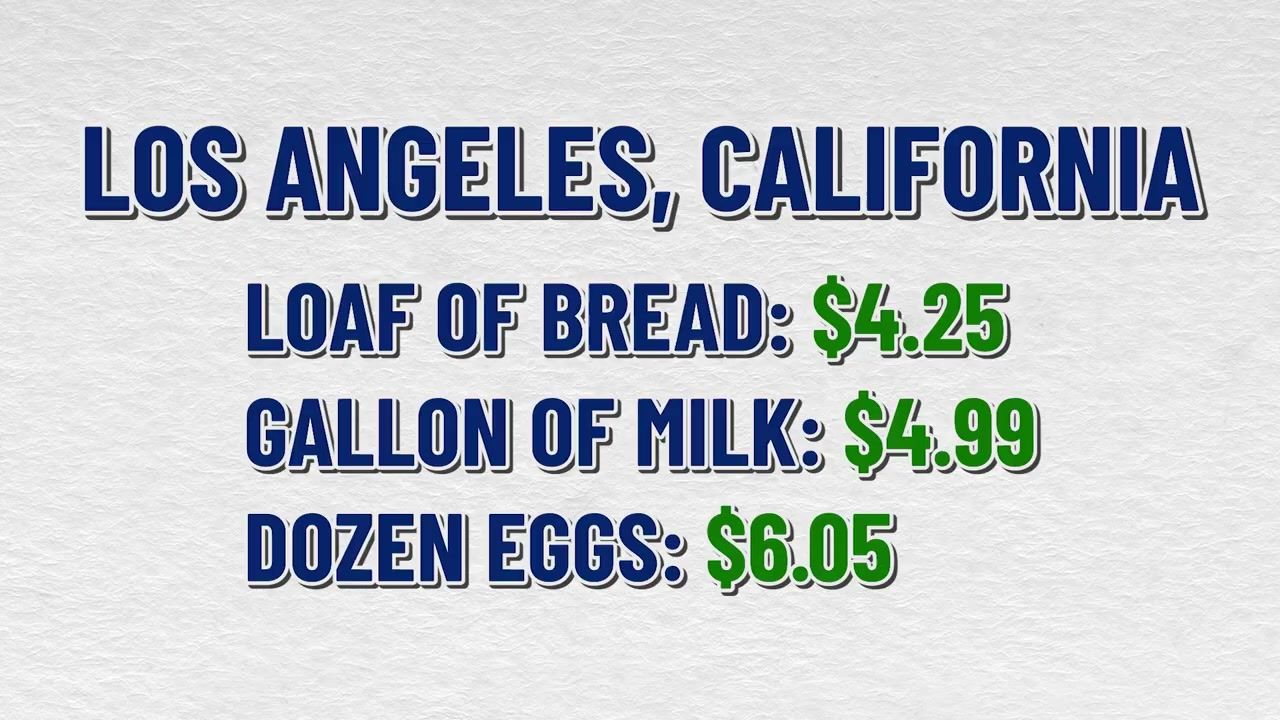
Grocery prices in Kansas City are on par with the national average, and in some cases, they're slightly lower than major cities like LA, San Francisco, and New York. Let me give you some staple items so you can see what I mean.
A loaf of bread costs around $3.98, just under $4. A gallon of milk is around $4.69. And a dozen eggs right now runs us about $5.32. Yeah, we're all feeling that crunch in terms of why eggs are so expensive right now.
Let's compare that to some major cities. In Los Angeles, a loaf of bread runs around $4.25, a gallon of milk is $4.99, and a dozen eggs is $6.05. In San Francisco, a loaf of bread is $4.50, a gallon of milk is $5.25, and a dozen eggs jumps up to $6.05. In New York, a loaf of bread is around $4, a gallon of milk is $4.75, and a dozen eggs is $5.37.
So you can see that staple items in Kansas City, bread, milk, eggs, are slightly lower than those larger cities. The differences are relatively modest, but it's still something you want to factor in when you're thinking about the true cost of living. If you're relocating from a high-cost metro, you'll probably notice the savings. If you're coming from a smaller town, you might not see much difference.
Healthcare: Great Hospitals, Mental Health Gaps
When it comes to healthcare, Kansas City offers a mixed landscape. Some services are priced below the national average, and others tend to be more costly. Let me give you some examples.
Primary care visits on the Kansas side can range from just under $100 to just under $500, depending on the provider. Self-pay options for people who are uninsured can range anywhere from $72 up to $192. So there's some variation depending on where you go and what kind of coverage you have.
One of the good things about Kansas City is our hospital services. We've got some really great hospitals here. The University of Kansas Health Center is a top-tier academic medical center. Children's Mercy Hospital is one of the top pediatric hospitals in the country. And the St. Luke's system has a lot of really good hospitals nearby for services.
Now, here's the problem: mental health care access in Kansas is ranked last in the nation. I know the city and organizations are working towards improving that, but it's not good to be last on that list. Missouri is ranked 39th. So if mental health care is a priority for you or your family, that's something to factor in. There are definitely efforts underway to improve access, but right now, it's a gap in the system.
Healthcare is important for anybody, but especially for seniors or people who are relocating here to retire or downsize. We want you to be able to factor that in when you're thinking about the true cost of living in Kansas City.
Which Kansas City Suburb Fits Your Budget?
So now that we've covered housing, utilities, transportation, groceries, and healthcare, let's talk about how to choose the right suburb for your budget. The truth is, Kansas City offers a wide range of options, and the right fit depends on what you're willing to spend and what trade-offs you're willing to make.
If you want premium pricing and you're willing to pay for prestige, schools, and location, Leawood and Parkville are your top choices. Leawood gives you top-tier schools and an upscale suburban feel on the Kansas side. Parkville gives you beautiful bluff views and a charming downtown on the Missouri side. Both had strong appreciation last year, so you're buying into stable markets.
If you want a balance of affordability and strong appreciation, Overland Park and Olathe are solid options. Overland Park is more expensive than Olathe, but both give you local schools, suburban amenities, and a community that's still growing. You're paying above the Kansas City median, but you're getting a lot for your money.
If you want the most home for your money, Lee's Summit and Liberty are your best bets. Lee's Summit is one of the biggest cities in the metro, and you get a lot of home for the money compared to Overland Park. Liberty is more affordable and has that historic charm, but it's farther north, so your commute will be longer.
The key is to figure out what matters most to you, commute, schools, price, lifestyle, and then match that to the suburb that fits. That's exactly where we can help. My team and I work with buyers every week who are trying to figure out which suburb makes sense for their budget and their lifestyle. Reach out to us, and we'll walk you through your options.
Conclusion
All right, that wraps up our deep dive into the true cost of living in Kansas City. While Kansas City is often considered an affordable place to live, as we've seen, costs can vary widely depending on housing, utilities, transportation, and even groceries. Some things will save you money, and others might be more expensive than you expected.
The key takeaway is that Kansas City remains a great place to call home, offering a balance of affordability, lifestyle, and opportunity. Whether you're considering a move, investing in real estate, or just trying to get a better feel for the market, knowing these numbers can help you make a smart decision.
If you have any questions about Kansas City's housing market, the different suburbs, or what area might be the best fit for you, don't hesitate to reach out to us. My team and I are here to help you whether you're looking to buy, sell, or just explore your options. Be sure to check out our other videos where we cover neighborhood tours, market updates, and everything you need to know about living in Kansas City.
And remember, whether you're moving in seven days or seven months, we're here to help. Give us a call, shoot us a text, or send us an email. We'd love to make your move to Kansas City as smooth as possible.
FAQ
How much does the average home cost in Kansas City?
The median home price in Kansas City is $256,000, which is significantly lower than the national median of $400,500. However, prices vary widely by suburb. Lee's Summit and Liberty are closer to the metro median, while Leawood and Parkville are premium suburbs with home values over $570,000.
Are utilities expensive in Kansas City?
Utilities in Kansas City run about 8% higher than the national average, with an average monthly bill of $216.81. The higher cost is largely due to our four seasons and cold winters, which drive up heating expenses. If you're relocating from a major city, you might find utilities here more affordable than what you're used to.
Is public transportation available in Kansas City?
Public transportation is available through RideKC, but most residents prefer to drive, especially in the suburbs. The transit system to downtown is not as robust as in larger metros, so if you're living in the suburbs, you'll need a car. Gas prices hover around $2.75, which is slightly below the national average.
How do grocery prices in Kansas City compare to other cities?
Grocery prices in Kansas City are on par with the national average and slightly lower than major cities like Los Angeles, San Francisco, and New York. Staple items like bread, milk, and eggs are modestly cheaper here, so if you're relocating from a high-cost metro, you'll likely notice the savings.
What is healthcare like in Kansas City?
Kansas City has excellent hospital systems, including the University of Kansas Health Center, Children's Mercy Hospital, and St. Luke's. However, mental health care access is a challenge, Kansas ranks last in the nation, and Missouri ranks 39th. Primary care visits range from $100 to $500 depending on the provider, with self-pay options available for uninsured patients.
Which Kansas City suburb is the most affordable?
Liberty is one of the most affordable suburbs, with an average home value of $305,067. Lee's Summit is also a strong option at $365,969, offering a lot of home for the money. Both are on the Missouri side and provide good value compared to premium suburbs like Leawood and Parkville.

Jimmy and Niki Ezzell are Kansas City real estate experts who help people relocate. They provide insights on neighborhoods, real estate tips, and market updates to make moving to Kansas City seamless.

Newsletter
Subscribe to our newsletter to stay updated on the latest trends in Kansas real estate market